


Looking into VIVOTEK for your pet home set-up? This practical guide walks you through what to look for, which features matter most for real-world pet behaviour, and how to choose a set-up that suits Australian households.
If you’re searching for a pet camera in Australia that’s built for dependable indoor monitoring (not novelty features), this is a buyer’s guide you can use.
Why VIVOTEK makes sense for pet homes
Pet owners typically want two things: reassurance and clarity. A solid indoor pet monitoring camera helps you check on separation anxiety, confirm your pet is settling after you leave, and spot behaviours like scratching doors, pacing, or jumping on furniture while you’re out.
Where VIVOTEK stands out is in its focus on reliable video monitoring that suits everyday home use. In practical terms, that means prioritising stable connectivity, clear night vision, and smart motion alerts so you’re not drowning in notifications every time a curtain moves.
For busy Australian households, it’s also about flexibility. Whether you’re in a Brisbane apartment with bright afternoon sun or a Melbourne terrace with long winter evenings, a camera that handles changing light and still shows a clear image is the difference between “nice to have” and genuinely useful.
If you’d like to browse what’s available, start with our range of VIVOTEK options and then use the sections below to narrow it down.
Which VIVOTEK products to consider
When people say “VIVOTEK products”, they usually mean indoor cameras (and sometimes outdoor-capable models) used for home visibility. For pet households, the goal is simple: capture the areas your pet actually uses, at the times they’re most active.
- Indoor cameras for key rooms: Ideal for living rooms, hallways, and the “usual nap spot”. Prioritise low-light performance so you can check in after dark without turning on lights that might wake your pet.
- Wide-angle coverage: Helpful for open-plan homes where pets roam between zones. A wider view can reduce the number of cameras you need to cover the same space.
- Motion-triggered alerts (with control): Useful for knowing when your pet is up and about, especially for a camera for separation anxiety, but best when adjustable. You want alerts that focus on meaningful movement rather than every shadow.
- Outdoor-capable monitoring: Handy if your dog spends time on the patio or you want visibility near gates. In many Australian backyards, weather sealing and heat tolerance matter.
As part of any honest VIVOTEK review, it’s worth saying: more features aren’t always better. A simpler model placed well can outperform a feature-heavy option aimed at the wrong angle.
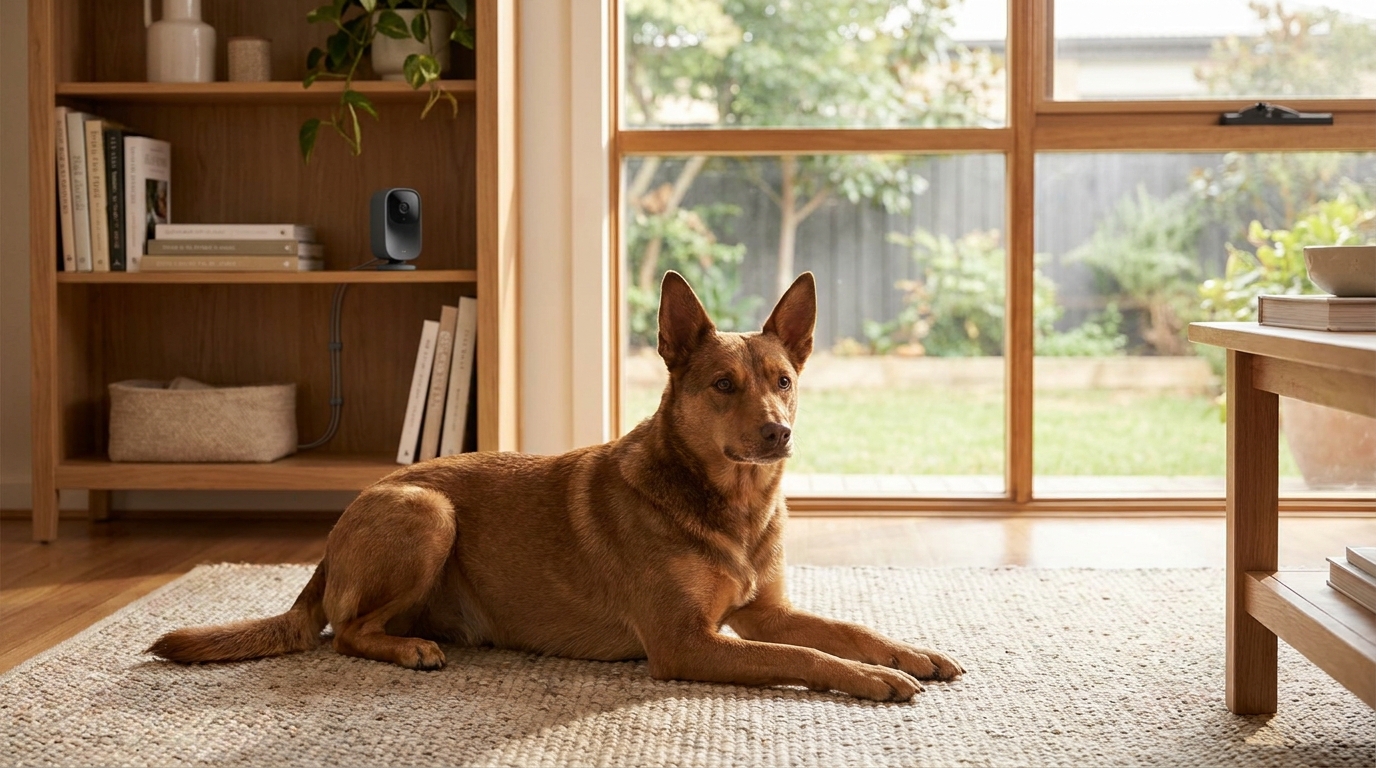
Model picks by pet & home scenario
The easiest way to choose is to match the camera to your pet’s routine and your home layout. Below are three practical “shopper scenarios” that reflect how pet owners typically use a home camera.
- Small unit or apartment (one main room + hallway): Look for a compact indoor camera with strong night vision and reliable motion alerts. This is usually the best fit if you mainly want to check that your dog settles after you leave, or to monitor a cat’s counter-surfing when the lights are off.
- Open-plan family home (larger living zone, changing light): Prioritise a wider field of view and good performance in mixed lighting (bright windows by day, lamplight at night). This scenario suits pets that move between a lounge area and kitchen/dining “decision points”, where mischief tends to happen.
- Patio/gate line-of-sight (dog outside at times): Choose an outdoor-capable option designed for weather exposure, and place it under eaves for extra protection. This works well for households that want visibility near a gate, side access, or the spot where a dog waits when you’re out.
Not sure which models are currently available? The quickest way is to open our VIVOTEK range, then filter your shortlist by (1) indoor vs outdoor placement, (2) whether you need wider coverage, and (3) how important night checks are for your pet’s routine.
How to choose the right VIVOTEK set-up
The best buying decision starts with your pet’s routine. Think about where they spend time during the day, where they sleep at night, and which spots are “high risk” for trouble (bins, benches, doors, cat trees).
Choose based on these practical factors:
- Video clarity: If you’re trying to distinguish normal grooming from persistent scratching, clearer footage helps you make better decisions.
- Night visibility: Essential for pets that pace, wake, or patrol overnight—especially in winter when it gets dark early.
- Notification control: The ability to reduce sensitivity or set activity zones can prevent alert fatigue (particularly helpful if you’re monitoring settling behaviour for separation anxiety).
- Connection stability: A camera is only useful if it stays online. Consider your Wi‑Fi strength in the exact room you’ll place it.
- Number of cameras needed: One camera can work for small homes; multi-room layouts may need more than one unit for meaningful coverage.
Quick tip: Before buying, stand where you plan to place the camera and open your phone’s Wi‑Fi settings. If the signal is weak there, improve coverage first or choose a placement with stronger connectivity.
VIVOTEK vs a generic “cheap indoor camera”: If you just want an occasional glance, many basic cameras can work. Choose VIVOTEK when you care more about consistent uptime, usable night footage, and motion alerts that help you understand behaviour (rather than just telling you “something moved”). For pet households, reliability usually matters more than extra gimmicks.
Set-up and placement tips for Australian homes
Placement is what turns a camera into a tool. For dogs, aim for shoulder height to capture body language (pacing, panting, door hovering). For cats, slightly higher can help track jumps and counter-surfing without the camera being bumped.
Smart placement ideas:
- Face the “decision point”: Position cameras toward doors, couches, feeding stations, or the cat tree—places where behaviour changes happen.
- Avoid direct sun glare: In bright Aussie afternoons, a window-facing camera can wash out the image. Angle slightly away from windows or use a shaded corner.
- Keep it out of reach: Curious pets can nudge or chew exposed cables. Use tidy cable routing and avoid placing units right next to climbing points.
- Reduce false motion: Point away from ceiling fans, loose blinds, or reflective surfaces that can trigger alerts.
Finally, use real life to test. Do a short “trial run” while you’re home: walk through the room, turn lights on and off, and see how the view holds up. That small step often tells you more than any product description.
Ready to choose? Explore our VIVOTEK range and match a model to your home layout and your pet’s habits.
Privacy and responsible use
Home monitoring works best when it’s used responsibly. Recording and surveillance laws vary across Australian states and territories, and rules can differ depending on whether audio is recorded as well as video.
- Avoid private areas: Don’t place cameras in bathrooms, bedrooms used by guests, or anywhere someone would reasonably expect privacy.
- Tell household members: Make sure everyone in the home knows where cameras are located and what they’re used for.
- Secure your account: Use strong passwords and keep firmware/app updates current to reduce the risk of unauthorised access.
If you’re unsure, check the relevant guidance for your location before recording.
Frequently Asked Questions
Are VIVOTEK cameras useful for monitoring pets when I’m at work?
Yes. Pet owners mainly use them to check behaviour, rest patterns, and activity in key areas of the house. The most helpful set-ups prioritise clear night viewing and sensible motion alerts so you can check in quickly without constant notifications.
How many cameras do I need for one dog or cat?
It depends on your layout and where your pet spends time. Many smaller homes can be covered with a single well-placed unit, while open-plan areas plus a hallway or sleeping space may benefit from two for better visibility.
Can a camera help me understand unusual behaviour?
It can help you observe patterns—like restlessness at certain times, avoiding food, or repeated scratching at doors—so you can make informed changes at home. If you notice ongoing or concerning changes, chat to your vet.
Browse Pacific Pet Supplies’ selection of VIVOTEK options to find a monitoring set-up that suits your pet, your home, and your daily routine.