


Wondering when to start flea treatment for a new pup? In Australia’s warm climate, fleas and ticks can show up earlier than many owners expect—so timing matters for comfort, safety, and prevention.
This guide breaks down the typical puppy flea treatment age milestones and how to set up sensible puppy tick prevention from the start.
Why timing matters for puppies in Australia
Puppies have thinner skin, smaller bodies, and developing immune systems, so they can be more sensitive to parasites and to products that aren’t designed for their life stage. That’s why the right starting point isn’t just about getting rid of pests—it’s about choosing protection that fits their age and size.
In many parts of Australia, fleas can be active year-round, especially in humid coastal areas and heated indoor homes. Ticks can also be a serious seasonal risk in certain regions, so starting early with an age-appropriate plan helps reduce surprise infestations.
If you’re prepping your home for a new arrival, you’ll find essentials in our puppy supplies range, alongside grooming tools and cleaning aids that support parasite control.
Minimum age and weight: what to check first
The most important rule for when to start flea treatment is to follow the product label for minimum age (in weeks) and minimum weight (in kilograms). Different formats and active ingredients are made for different stages of puppyhood, so there isn’t one universal “safe from X weeks” answer.
When people search for puppy flea treatment age, they’re usually trying to avoid two common mistakes: treating too early, or using an adult dog product because it’s already in the cupboard. Both can be risky—so treat “age and weight eligible” as your non-negotiable checklist.
- Confirm your puppy’s current weight (don’t guess—use recent scales if you can).
- Read the label for the puppy minimum age and the correct size band.
- Check species: dog products aren’t for cats, and vice versa.
- Consider your puppy’s situation (tiny breed, recently unwell, recovering from stress).
For help choosing options that suit puppies, browse our flea, tick and worm range and filter by puppy-friendly products.
Choosing a puppy-safe flea and tick option
The best starting product is the one that matches your puppy’s age, weight, and lifestyle—while being easy for you to apply on schedule. Flea and tick protection commonly comes as topical spot-ons, collars, washes/shampoos, sprays, and oral options, each with different strengths and limitations.
Topicals can be convenient, but they need correct application (to the skin, not just the coat) and time to dry. Collars can be low-effort once fitted, but you’ll want a safe fit for fast-growing puppies and to monitor chewing. Shampoos and sprays may help in the moment, but often don’t replace ongoing protection—so they’re usually best viewed as add-ons rather than the whole plan.
Quick tip: Whatever you choose, set a recurring reminder on your phone the same day you bring your puppy home. Consistency is what stops “one flea” turning into an ongoing household problem.
If your puppy is frequently handled by kids, visits the groomer, or goes to daycare, pick a solution that fits that routine (for example, consider how often the pup will be bathed or swim). The right match makes it easier to stick to the schedule—and that’s a big part of effective prevention.
Tick season, lifestyle, and puppy tick prevention
Puppy tick prevention depends heavily on where you live and where your puppy plays. In parts of coastal NSW and QLD, ticks can be a serious concern, especially through warmer, humid months. Even in other regions, bushwalks, long grass, and wildlife corridors can increase risk.
Start by assessing your puppy’s exposure:
- Backyard: long grass, leaf litter, and visiting wildlife can create a tick-friendly environment.
- Walk locations: bush tracks and scrubby reserves tend to carry higher risk than paved paths.
- Other pets: cats and dogs in the household can bring hitchhikers inside.
Alongside an age-appropriate product, add a daily hands-on check during tick season—especially around the head, ears, neck, chest, between toes, and under collars or harnesses. Early detection can make a real difference, and it’s a good habit to build while your puppy is still learning calm handling.
Building a simple routine (and what else to do)
Parasite protection works best as a system: treat the puppy, reduce the home load, and keep up the routine. If you only treat once, fleas can reappear because eggs and larvae in carpets, bedding, and outdoor areas continue developing.
To support your puppy’s protection plan:
- Wash bedding weekly in hot water where fabric allows, especially in the first month.
- Vacuum thoroughly (including skirting boards and under furniture) and empty the vacuum promptly.
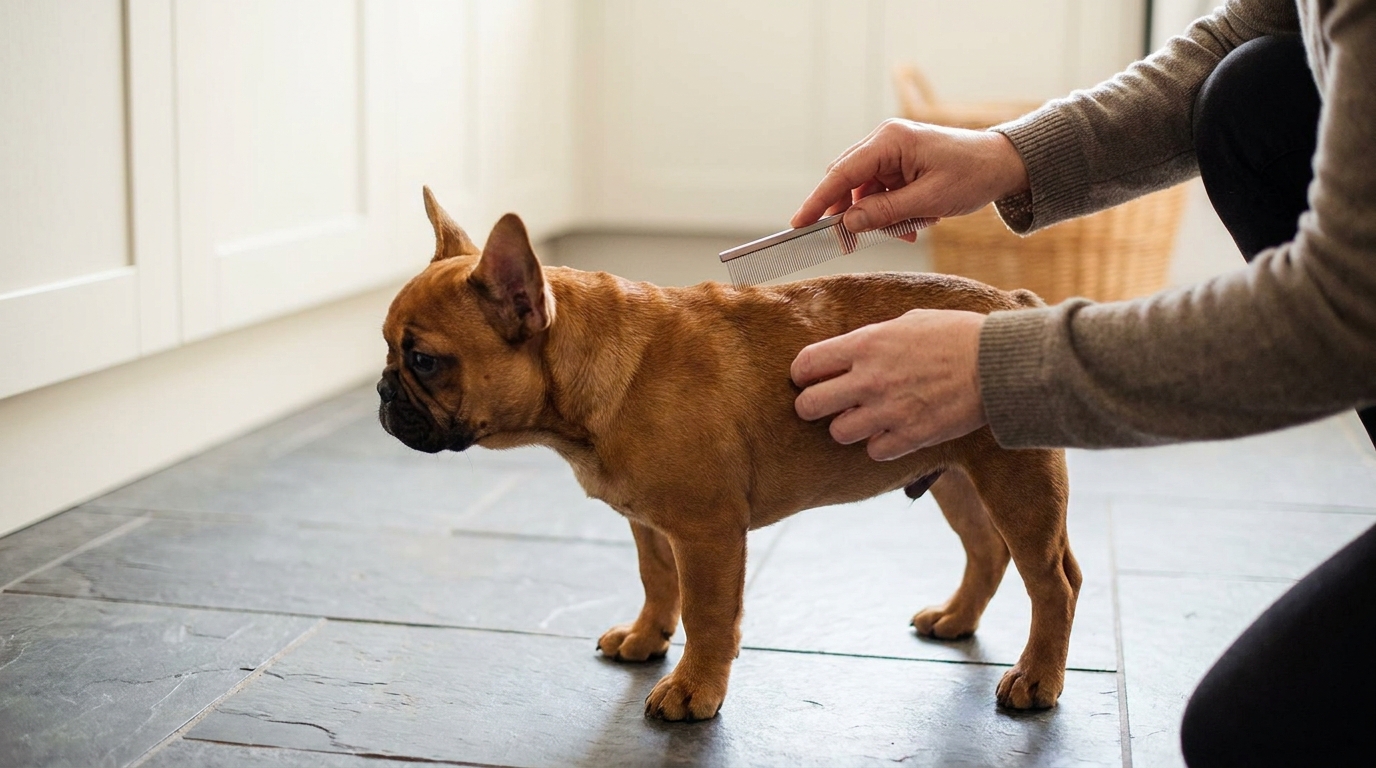
- Groom regularly with a comb to spot early signs like flea dirt or irritation.
- Keep records of what you used and when, so you don’t miss the next treatment window.
If you’ve adopted a pup from a shelter or rehoming situation, assume there may be some existing exposure and plan for ongoing prevention—not just a one-off “fix”. For product options and ongoing protection, our flea, tick and worm collection is a practical place to compare formats.
Frequently Asked Questions
What’s the earliest age I can use flea or tick protection on a puppy?
It depends on the specific product, because minimum ages and weights vary by formulation. Always use a puppy-appropriate option and follow the label directions for age and size bands rather than relying on a general rule.
Do indoor puppies still need flea treatment?
Often, yes. Fleas can hitch a ride inside on people, other pets, or visiting animals, and they can thrive in warm indoor environments. If you’re unsure when to start flea treatment for an indoor pup, consider your household’s exposure (other pets, visitors, shared spaces) and choose prevention accordingly.
How often should I check my puppy for ticks?
During higher-risk months or after time in long grass or bushy areas, a daily check is a smart habit. Pairing regular checks with consistent puppy tick prevention helps reduce the chance of missing an early attachment.
Ready to set your puppy up with a simple, reliable protection routine? Browse our puppy supplies and choose an age-appropriate option from our parasite range—then chat to your vet if you need help tailoring it to your puppy’s size, breed, and local risk.