


Choosing between wet vs dry cat food can feel like a daily dilemma—especially when every bag and can claims to be “complete”. Vets generally focus less on the format and more on whether the food suits your cat’s hydration needs, teeth, weight, age, and medical history.
This guide breaks down what vets commonly prioritise, plus a practical cat food comparison to help you decide what to feed today (and what to keep on hand for later).
What vets prioritise when comparing wet and dry
In a vet-led cat food comparison, the “best cat food type” is usually the one your cat will reliably eat, digest well, and maintain a healthy body condition on. Format matters, but it’s rarely the only factor.
Here’s what vets commonly look at first:
- Complete and balanced nutrition: Look for “complete and balanced” on the label for your cat’s life stage (kitten, adult, senior).
- Hydration support: Many cats don’t naturally drink much water, which makes moisture content a big consideration.
- Calories per serve: Dry food is often more energy-dense; portion control matters.
- Protein and ingredient quality: Cats are obligate carnivores, so animal-based protein is important.
- Practicality: Budget, storage, your schedule, and how fussy your cat is all influence what’s sustainable.
If you’re reviewing options, it helps to browse by format and purpose in one place—see our range of cat food and treats to compare textures, life-stage formulas, and feeding styles.
Wet food: key benefits and trade-offs
Wet food is often recommended when hydration is a priority. Because it contains a lot more moisture than kibble, it can help cats who naturally sip less—especially in hot Australian summers or in homes with air-conditioning that can be drying.
Common vet-aligned benefits of wet food:
- Higher moisture intake: Useful for cats that don’t drink much.
- Often highly palatable: Helpful for picky eaters or cats with reduced appetite.
- Portion clarity: Single-serve pouches and cans can make serving sizes easier to track.
Trade-offs to plan for: Wet food can be more expensive per calorie, and opened food needs safe storage. It can also spoil quickly in warm weather—important if your cat grazes slowly.
Dry food: key benefits and trade-offs
Dry food is popular for its convenience and cost-effectiveness. For many households, kibble makes it easier to keep a consistent routine—especially for multi-cat homes or people who are out during the day.
Common vet-aligned benefits of dry food:
- Easy storage and serving: Less mess, longer shelf life once opened (when stored correctly).
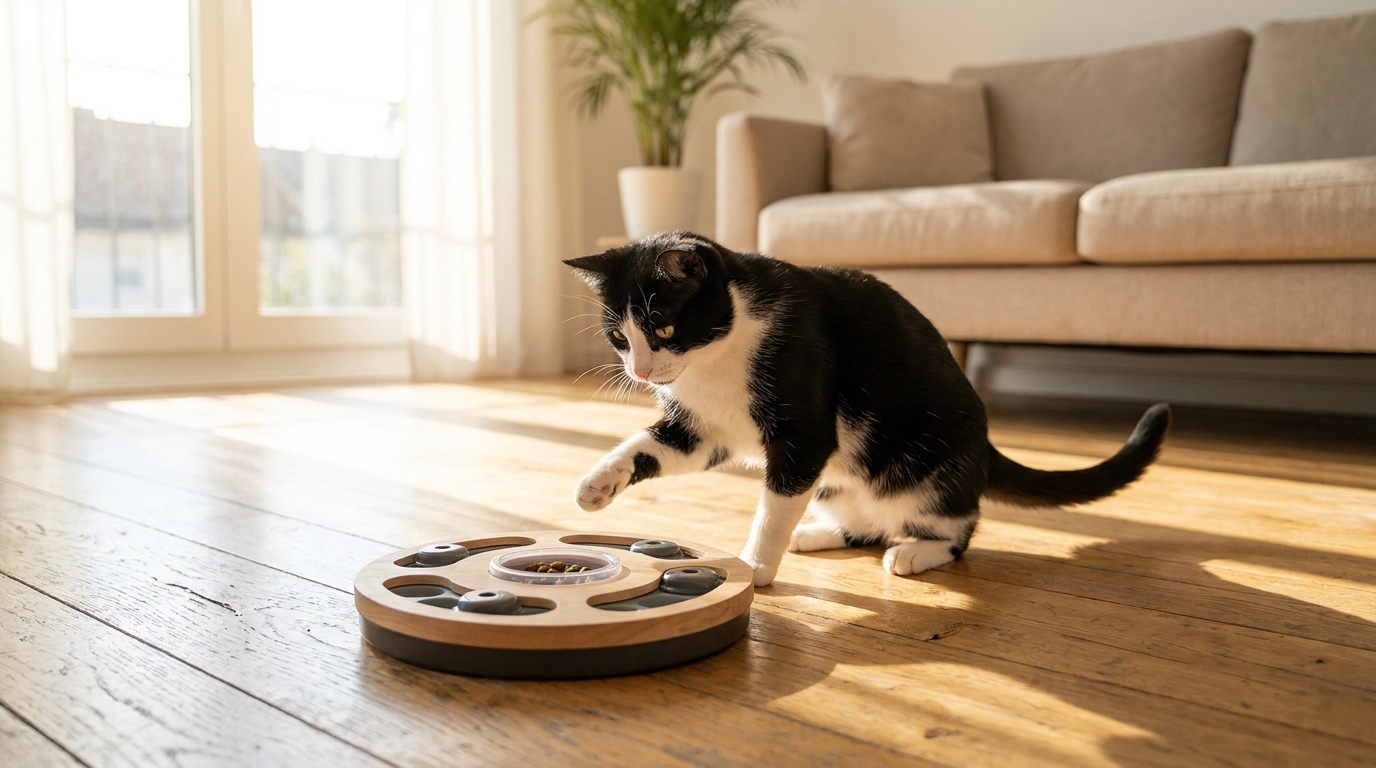
- Supports puzzle feeding: Great for enrichment toys to slow down fast eaters.
- Can be easier on the budget: Often lower cost per day depending on portions.
Trade-offs to plan for: Dry food is low in moisture, so water intake matters more. It’s also energy-dense, so “just topping up the bowl” can quietly lead to weight gain over time.
Quick tip: If you feed kibble, measure it with a standard cup or kitchen scale for a week. Many owners are surprised how easy it is to over-serve without noticing.
To explore options by age, lifestyle, and texture, you can compare formulas in our cat food and treats collection and shortlist what suits your cat’s routine.
So what’s the best option for your cat?
When people ask vets about wet vs dry cat food, the answer is often: it depends on the cat in front of you. Rather than chasing a single “best cat food type”, match the format to your cat’s biggest needs right now.
Wet food may suit cats who:
- rarely drink water from a bowl or fountain
- need help with appetite or smell-driven eating
- do better with larger, more filling portions for the calories
Dry food may suit cats who:
- prefer grazing (with controlled daily portions)
- benefit from puzzle feeders for mental stimulation
- live in households where storage and convenience are essential
Mixed feeding suits many cats: A common vet-friendly approach is wet food for one meal (or part of the daily intake) and measured kibble for another. This gives hydration support without losing the convenience of dry.
Practical feeding plans (including mixed feeding)
A good cat food comparison isn’t just nutrition on paper—it’s how feeding works in real life. These practical setups help you stay consistent while meeting your cat’s needs.
Plan A: Mostly wet (hydration-first)
- Serve wet food in 2–4 smaller meals to reduce waste and keep it fresh.
- In warm climates, don’t leave wet food out for long—offer smaller amounts more often.
- Use a covered container in the fridge for leftovers and bring to room temperature before serving (cats often prefer it).
Plan B: Mostly dry (routine-first)
- Measure the full day’s kibble and divide into servings.
- Use puzzle toys or scatter feeding to slow eating and add enrichment.
- Encourage drinking with multiple water stations around the home.
Plan C: Mixed feeding (the balanced middle)
- Decide your split (for example, wet for dinner and measured kibble for breakfast).
- Keep treats within a small part of daily intake so they don’t crowd out balanced meals.
- Make changes gradually over 5–7 days to avoid tummy upsets.
Whichever plan you choose, watch your cat’s body condition, stool quality, coat, and energy. The right choice is the one that keeps them thriving—while still being realistic for you to maintain.
Frequently Asked Questions
Is wet food always better than dry food for cats?
Not always. Wet food can help with hydration and can be very palatable, but many cats do well on a balanced dry food when portions are controlled and water intake is encouraged. The “better” option depends on your cat’s needs and your feeding routine.
Can I feed both wet and dry food in the same day?
Yes, mixed feeding is common and can be a practical way to combine hydration support with convenience. The main goal is to keep total daily calories appropriate and ensure both foods are complete and balanced for your cat’s life stage.
Does dry food clean cats’ teeth?
Dry food can provide some crunch, but it doesn’t reliably “brush” teeth the way owners hope. Regular dental care routines and vet dental checks are more dependable for oral health than relying on kibble alone.
Ready to choose a feeding style that fits your cat and your schedule? Browse premium options in our cat food and treats range, and if you’re unsure what to prioritise for your cat’s health, chat to your vet.