


When pet owners talk about GiGwi, the conversation usually circles back to the same things: play value, thoughtful design, and toys that fit into everyday routines. From quick games in the lounge room to backyard sessions between errands, these toys are made for regular use—without complicated set-ups or piles of gear.
Before you add anything to your cart, it helps to know what the range is best suited to, how to match a toy to your pet’s play style, and what “durable” really means in a real household.
What makes GiGwi stand out
GiGwi is known for creating play-focused toys that tap into natural instincts—chasing, chewing, tugging, stalking, and pouncing—without making play complicated for owners. The range tends to prioritise usability (easy to grip, throw, carry, or hold during interactive games) and variety, which can make it easier to keep pets interested over time.
If you’re browsing our range, you can explore GiGwi at Pacific Pet Supplies to see what’s available for different sizes and energy levels.
Many owners also like the “everyday” practicality: toys that can be used for a quick training break, a short fetch session after work, or a few minutes of cat play before dinner.
Who these toys suit (and who should choose carefully)
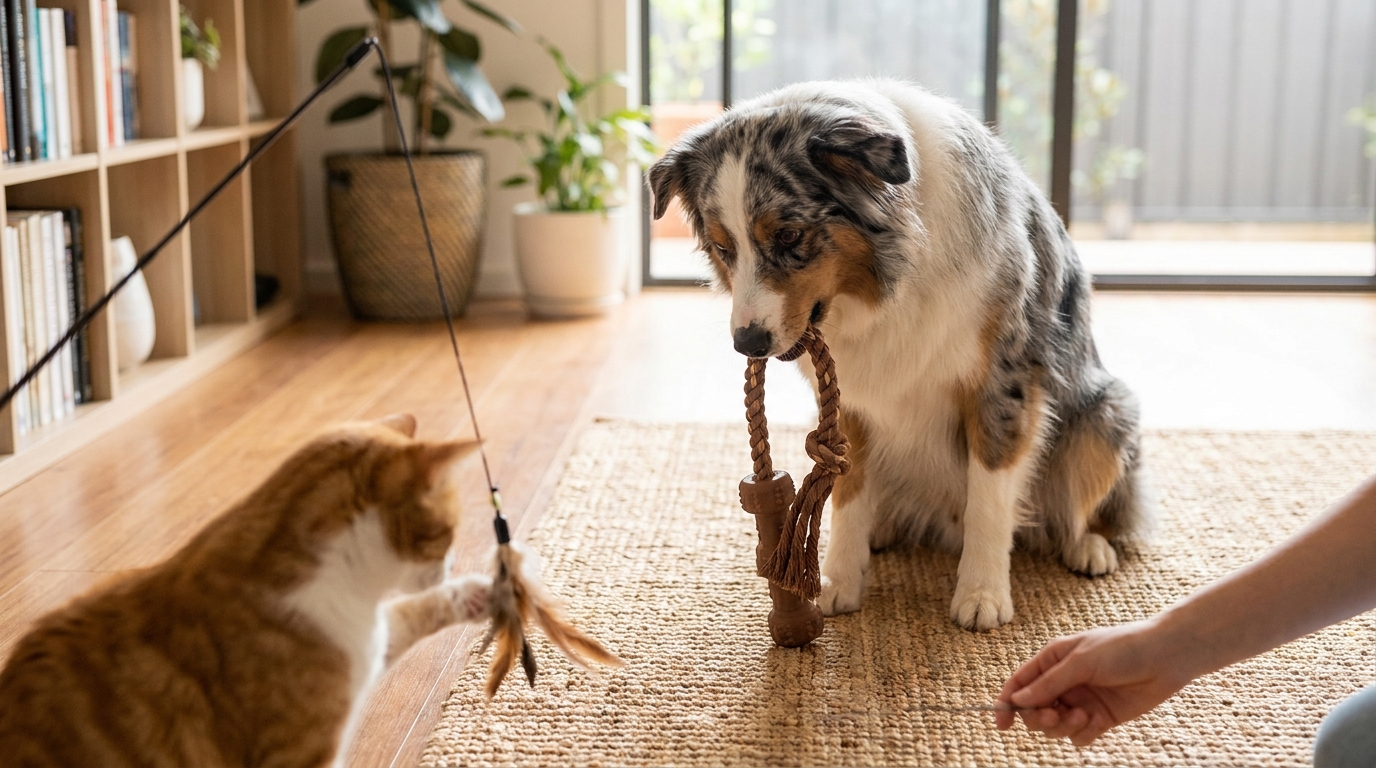
This range can suit both dogs and cats, but the best choice depends on how your pet plays. For dogs, the options tend to work well as pet enrichment toys for everyday engagement—especially for gentle to moderate chewers, dogs who enjoy interactive tug or fetch, and pets that benefit from rotating toy styles. For cats, the motion-focused and prey-style designs are often a good fit for indoor play, short bursts of exercise, and boredom-busting routines.
If you have a determined power chewer, you’ll want to choose carefully, supervise early sessions, and be realistic: even durable dog toys can wear quickly when a dog’s goal is to dismantle them. The right match is less about the label and more about your pet’s chewing intensity, how they handle squeakers or seams, and whether they tend to shred and swallow pieces.
Designed for real-world play (indoors and out)
Australian homes and lifestyles are varied—apartments, big backyards, beach walks, and camping trips—so toys need to cope with different settings. These toys are generally designed to be used where real life happens: on tiles, grass, and the occasional dusty patio.
For indoor play, most owners want toys that encourage engagement without turning the lounge room into a full-contact sport. In winter (or during wet weeks), indoor games can be a lifesaver for high-energy pets—particularly if your dog is prone to zoomies or your cat gets restless when the weather keeps you inside.
For outdoor sessions, you’ll likely prioritise visibility, grip, and materials that can handle a bit of rough-and-tumble. Many owners also like having a toy that’s easy to rinse or wipe after a trip to the park.
Quick tip: Rotate toys every few days rather than leaving everything out. You’ll often get more interest (and less over-chewing) by keeping “favourites” feeling new.
If your pet loses interest quickly, switching between chase-style toys, tug options, and interactive designs can help keep play fresh—especially during hot summer afternoons when shorter play bursts are safer and more realistic.
A range that suits different play styles
Not every pet plays the same way. Some dogs want to tug until their jaw is tired, while others prefer a quick chase and then a rest in the shade. Cats might love a fast fluttering target one day and ignore it the next. One reason this brand remains popular is that there’s typically something to match different instincts and energy levels.
Here are a few common toy styles you’ll see across the range, plus what they tend to be best for:
- Squeaky dog toys: Often a hit for dogs who like fast feedback and short games. Best for supervised play sessions, fetch in a hallway or backyard, and dogs who enjoy sound-based rewards.
- Tug toys (ropes or handled designs): Useful for interactive play that builds engagement and burns energy quickly. Best for dogs who prefer social play with you and need a controlled outlet for mouthing and pulling.
- Chew-oriented toys: Designed to occupy dogs who want to settle in and work at a toy. Best for solo play, post-walk wind-down, and dogs that are more likely to gnaw than chase.
- Interactive cat toys (wand-style, prey-like shapes, or motion-focused designs): Helps encourage stalking, pouncing, and controlled bursts of movement. Best for indoor cats, cats that need extra enrichment, and households trying to reduce boredom behaviours.
If you’re shopping for the first time, it helps to think less about what looks cute and more about what your pet reliably chooses. A toy that matches their natural play style is far more likely to earn a spot in the “must-have” rotation.
How to choose the right GiGwi toy
Choosing the right toy is mostly about three factors: your pet’s size, their play intensity, and where you’ll use it. A small dog with a gentle mouth may do best with lighter toys, while a strong chewer needs something built to handle more pressure. Cats, on the other hand, often respond best to variety and movement rather than a single “favourite” item.
Start with how your pet plays today. Do they shred soft items, or do they carry toys around and “nest” with them? Are they mouthy during excitement, or do they prefer chasing and returning? Those habits are the fastest way to narrow down what makes sense.
- Match toy size to pet size: Too small can be a choking risk; too large can be frustrating and reduce play.
- Pick the right intensity: For powerful chewers, lean toward tougher constructions and supervise early sessions.
- Consider the environment: Indoor toys should be easy to control; outdoor toys should be easy to spot and clean.
To make choosing even easier, use this quick guide:
| Play style | Recommended toy type | Supervision level |
|---|---|---|
| Solo chewer | Chew-oriented toy designed for gnawing | Medium (increase for strong chewers or new toys) |
| Interactive tugger | Tug toy with clear grip points/handles | High (hands-on play; end the game if fraying starts) |
| Chase & retrieve | Easy-to-throw toy (often squeaky or high-visibility) | Medium (watch for overexcitement or rough chewing) |
| Cat stalk-and-pounce | Interactive cat toy that mimics prey movement | High during play (store after to reduce chewing damage) |
It’s also smart to plan for variety. Two or three well-chosen toys can cover most needs: one for solo chewing, one for interactive play with you, and one for quick energy bursts. That variety often supports steadier enrichment without relying on one toy to do everything.
Value, safety, and care tips
Value isn’t just the price tag—it’s how often the toy gets used and how well it fits your pet’s habits. Many owners stick with this range because the toys tend to encourage repeat play rather than being a one-day novelty.
A quick reality check on longevity: toy lifespan varies widely depending on your pet’s size, chewing intensity, and play style. No toy is indestructible, and even well-made toys can fail if they’re used for a different purpose than intended (for example, using a fetch toy as a long-duration chew).
Safety matters just as much as fun. Supervision is key—especially during the first few sessions while you learn how your pet interacts with a new toy. Retire toys that are cracked, heavily frayed, or missing pieces.
- Inspect weekly: Check seams, edges, and any components that could loosen with chewing.
- Clean regularly: A quick wash or wipe-down helps reduce grime, especially after backyard play.
- Use toys for their purpose: Tug toys for tug, chew toys for chewing—misuse can shorten lifespan.
Cat-specific safety notes: If your cat plays with wand toys, feathers, ribbons, or string-like parts, supervise to reduce the chance of chewing and swallowing pieces. Store wand toys out of reach between sessions, and discard any toy that’s shedding fibres or losing attachments. If your cat swallows any material (or you suspect they have), contact your vet promptly.
If you want a dependable range that suits real households and realistic routines, these toys remain popular for good reason: they’re built around play styles pets actually choose, and they’re easy to keep in regular rotation.
Frequently Asked Questions
Are GiGwi toys suitable for heavy chewers?
Some options suit stronger chewers better than others. Choose based on your dog’s chewing style and strength, supervise early play, and replace any toy that starts to break down. Longevity can vary a lot between individual dogs.
How do I keep my pet interested in toys long-term?
Rotate toys and bring them out for short, focused sessions rather than leaving everything available all the time. Mixing play styles—tug, chase, solo chew, and interactive games—also helps prevent boredom.
What materials should I avoid if my pet destroys toys quickly?
If your pet routinely shreds plush toys or targets squeakers, avoid soft, easily-torn materials and choose sturdier designs instead. Regardless of material, supervise new toys and retire them once damaged.
What should I look for when buying a toy for a puppy or kitten?
Choose an appropriate size and a gentler design that supports developing teeth and confidence. Keep sessions short, and monitor wear closely as young pets can be enthusiastic and unpredictable.
Ready to pick a toy your pet will actually use? Browse our full selection of GiGwi and choose options that match your pet’s play style—if you’re unsure what’s safest for your individual pet, chat to your vet.