


Looking at Astrotek for your pet’s daily care and wondering what’s genuinely worth adding to cart? This guide breaks down Astrotek products by use case, with concrete decision points (materials, fit, and real-world scenarios) so you can choose with confidence. It’s written for Australian households—where summer heat, winter mud, and frequent car trips can quickly reveal what’s easy to live with and what isn’t.
Why choose Astrotek for everyday pet care
Astrotek sits firmly in the practical essentials space: straightforward designs, easy-to-use hardware, and everyday accessories that suit feeding, walking, training, and travel. Rather than chasing novelty features, the range tends to focus on the basics you’ll touch daily—clips, buckles, straps, bowls, and travel attachments—where small usability details matter.
In Australia, that “everyday practicality” matters quickly. A harness that dries fast after a rainy walk in Melbourne, a bowl that doesn’t skate across tiles in a Sydney apartment, or a lead clip you can operate with cold hands on a Canberra winter morning can make the difference between gear you keep using and gear that stays in the drawer.
If you’re browsing the full range, start here: Astrotek. Seeing the assortment together helps you compare similar options (and avoid accidentally buying two items that solve the same problem).
Astrotek range overview: what you’ll find
Astrotek products generally fall into “core kit” categories—items you replace, refresh, or rely on every week. While specific designs can change over time, you’ll typically see choices across:
- Feeding support: bowls, mats, and add-ons designed to reduce mess and make cleanup quicker.
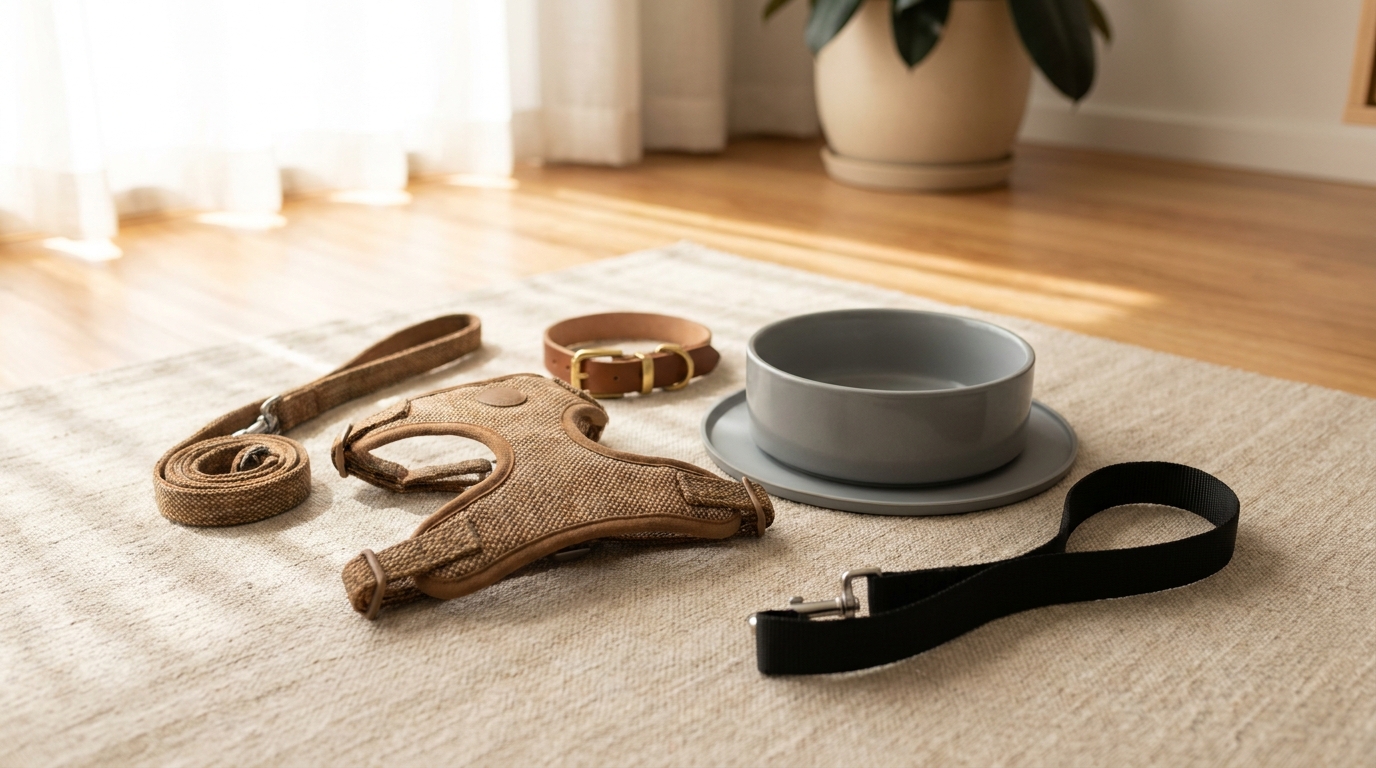
- Walking and training: leads, harnesses, collars, and management accessories focused on control and comfort.
- Home and travel helpers: carriers, crates, and car safety accessories aimed at keeping pets secure when moving.
- Enrichment and play: toys and activity items for keeping pets engaged (particularly useful during hot afternoons when outdoor exercise is limited).
When you’re comparing two similar products, look beyond the label and focus on build details you can actually feel: webbing thickness, stitching density, clip action, and how easily surfaces wipe down. These are the things most owners notice after a few weeks of regular use.
How to choose the right Astrotek items (by use case)
The quickest way to buy well is to match the product to your pet’s habits and your routine—not just their size. Think in scenarios (weekday neighbourhood walks, off-lead training sessions, short car trips, messy feeding) and choose the gear that makes those scenarios easier.
- Feeding: bowl and mat choices
Look for stable bases and surfaces you can rinse or wipe daily. For pets that push bowls around, a heavier bowl or a grippy mat underneath can help protect floors and keep the feeding spot more consistent. If you’re feeding outdoors (verandah, balcony, backyard), pick materials that handle sun and temperature swings without becoming brittle. - Walking: collar vs harness (and when each helps)
A flat collar is a simple everyday option for ID and calm walkers, while a harness is often better for dogs that pull, dogs with sensitive necks, or pets that tend to back out of collars. If your dog is between sizes or has a deep chest/narrow waist shape, prioritise a harness with multiple adjustment points so you can dial in fit. If you’re searching online, treat this as your personal Astrotek harness size guide: measure first, then shop the measurement—not the breed guess. - Leads: length and clip practicality
For suburban footpaths, a shorter lead can give more control around driveways and busy areas; for open spaces, a longer lead can give your dog room to sniff while staying attached. Check the clip size relative to your dog: an oversized clip can feel heavy on small dogs, while a tiny clip can be fiddly with larger dogs. If you’re building a matching set, browsing Astrotek leads and collars together can make it easier to keep hardware style and sizing consistent. - Travel: daily car trips vs longer drives
For quick errands, you want a setup that’s fast to attach and easy to check at a glance. For longer drives or holiday travel, prioritise secure attachment points and a comfortable fit that won’t rub over time. Keep in mind that travel accessories vary by design; you still need to ensure your setup meets your state/territory rules and that your restraint method is appropriate for your vehicle. Many people shop these items under Astrotek pet travel accessories Australia searches—your best approach is to start with your car layout and your pet’s size, then choose the simplest solution you’ll consistently use. - Enrichment: match to play style
Choose toys based on how your pet plays: gentle nibbling, focused chewing, chasing, or tugging. In humid areas (like coastal Queensland), quick-dry materials and easy-wash designs help keep toys fresher between cleans. If your dog is a determined destroyer, prioritise reinforced seams and supervise early sessions.
Quick tip: Before you commit to a new lead, harness or travel item, clip it on and do a 30-second “pull and twist” check (gently). If anything slips, loosens or feels awkward to operate, it’s better to swap now than discover it at the park.
If you like fast comparisons, shortlist two options and decide based on your most common scenario (not the once-a-year trip). For example: weekday school-run walks vs weekend beach walks; short car hops vs highway drives; indoor play during summer heat vs backyard play in cooler months.
Quick comparison checklist: what to look for before you buy
Use this as a quick, practical checklist when comparing similar Astrotek items. It’s not about “best”, it’s about the right match for your household.
- Materials: webbing that feels dense (not thin or scratchy), smooth edges that won’t chafe, and feeding surfaces that wipe clean without holding odours.
- Stitching and reinforcement: look for neat stitching and extra reinforcement at stress points (near clips, D-rings, and joins).
- Buckles and clips: should open smoothly but feel secure; avoid anything that sticks, jams, or is hard to operate one-handed.
- Webbing width vs pet size: narrower straps can suit small dogs and cats; larger dogs often feel better in wider straps that distribute pressure.
- Adjustment range: enough room to fine-tune fit (especially on harnesses), without leaving long loose ends that flap or get chewed.
- Washability and dry time: particularly important for coastal humidity, muddy winters, or pets that love puddles.
- Use-case fit: a product can be well-made and still be the wrong tool—choose for your daily routine first.
Common mistakes to avoid: buying by breed stereotypes instead of measurements; choosing a harness that’s “nearly right” (rubbing often shows up after a longer walk); using a travel accessory without testing it on a short trip first; and overlooking how often you’ll realistically clean the item.
Setup, sizing and safety checks
Even excellent gear won’t perform if it’s set up poorly. When your order arrives, take a few minutes to confirm fit and function—especially for anything used outdoors or in the car.
- Sizing: measure your pet’s neck and chest and compare to the product sizing information. If your dog is between sizes, consider coat type and body shape, and choose the option with enough adjustment to fine-tune fit without maxing out the straps.
- Fit and comfort: check for rubbing under the armpits and around the chest. You want even contact rather than pressure concentrated in one spot. Watch your dog walk a few steps indoors to spot twisting or shifting.
- Hardware inspection: test clips and buckles repeatedly. They should feel secure and consistent—no accidental release, no slipping under light tension.
- Travel safety: do a stationary check in the driveway first. Confirm attachment points are correctly clipped and that your pet can sit/lie comfortably without tangling. If you’re unsure about the most appropriate restraint approach for your vehicle and pet, consult local guidance and choose the safest, simplest setup you’ll use every time.
- Cleaning: for feeding and indoor items, confirm they’re easy to wipe down. In warmer regions, faster drying can help keep items fresher between washes.
For enrichment items, supervise the first few sessions. Many issues (pulling at seams, chewing off small parts, or obsessing over an edge) show up early and are easier to address by swapping to a more suitable toy type.
Value, durability and who it suits
This Astrotek review comes down to fit-for-purpose essentials. The brand generally suits owners who want functional gear without a steep learning curve—simple designs, familiar product types, and accessories that integrate into normal routines. In terms of positioning, Astrotek typically feels like an everyday, mid-range essentials option: not built around premium-only features, but practical when you want straightforward gear that’s easy to use and replace as needed.
Rather than claiming “best” or “most popular”, it’s more accurate to say the range tends to appeal to people who prioritise usability: clips you can operate quickly, bowls that are easy to clean, and accessories that don’t require constant adjustment. Durability, however, will always depend on your pet’s behaviour. A gentle chewer and polite walker will get more life out of most items than a high-drive dog that pulls hard or destroys toys quickly—so buy to your pet’s “worst day”, not their best.
- Best for: everyday dog and cat households, first-time pet parents building a basics kit, and anyone upgrading worn-out essentials.
- Be more selective if: your pet is extremely strong, highly anxious during travel, or a power chewer—prioritise reinforced stitching, sturdier hardware, and appropriate supervision.
If you want to browse by need and compare features, head to the full collection of Astrotek products and filter your shortlist by your top use case (walks, feeding, travel or enrichment).
Frequently Asked Questions
Is Astrotek a good choice for first-time pet owners?
Yes—Astrotek is typically straightforward to shop because the range focuses on practical essentials. Start with the items you’ll use daily (feeding, walking, basic enrichment), then add travel and training accessories as your routine settles.
How do I know what size harness or collar to buy?
Measure your pet’s neck and chest and compare them to the product sizing information, then choose based on the measurement rather than weight alone. If you’re between sizes, prioritise adjustability and a comfortable fit over “growing room”, and do a short indoor test walk to check for rubbing.
What should I check when my order arrives?
Test clips and buckles, confirm the item sits comfortably without rubbing, and do a quick check on stitching and attachment points. For toys and enrichment items, supervise early use to ensure the item suits your pet’s play style and intensity.
Ready to shop? Explore the full Astrotek range at Pacific Pet Supplies and choose essentials that match your pet’s routine and your home setup. If you’re unsure what’s best for your pet’s body shape or behaviour, chat to your vet at your next visit.