


Choosing the right senior dog food can make day-to-day life more comfortable for ageing pups—supporting mobility, digestion and a healthy weight. As dogs get older, their energy needs and nutrient priorities shift, so a “one size fits all” approach rarely works. Here’s how to adjust senior dog nutrition with practical, shop-ready tips.
When is a dog considered “senior”?
“Senior” depends on size and genetics. Many small breeds begin ageing more noticeably around 8–10 years, medium breeds around 7–9, and large/giant breeds as early as 5–7. If your dog’s pace, appetite, coat condition or body shape has changed, it’s a good time to review their old dog diet.
Australian summers can also bring changes forward—heat reduces activity and appetite, while dehydration risk increases. That’s why the best feeding plan looks at age and lifestyle, not just the number on the birthday candle.
What changes in senior dog nutrition?
Ageing affects metabolism, digestion and muscle maintenance. Many seniors need fewer kilojoules, but they still require high-quality nutrients to stay strong. The goal of good senior dog nutrition is to support lean muscle, joint comfort, gut health and immune function without overfeeding.
- Energy needs often drop: Less activity can mean weight gain if portions stay the same.
- Protein becomes more important: Seniors can lose muscle faster, so they often do better with a quality, highly digestible protein source.
- Fibre and gut support matter: Constipation or sensitive stomachs can become more common; balanced fibre can help keep things moving.
- Joint and mobility support: Many older dogs benefit from nutrients that support cartilage and flexibility (commonly included in quality senior formulas).
- Dental changes affect eating: Sore teeth or weaker jaws can make crunchy kibble less appealing.
Instead of simply “feeding less”, aim for smarter nutrition: the right calories, better digestibility, and targeted support built into a suitable senior dog food.
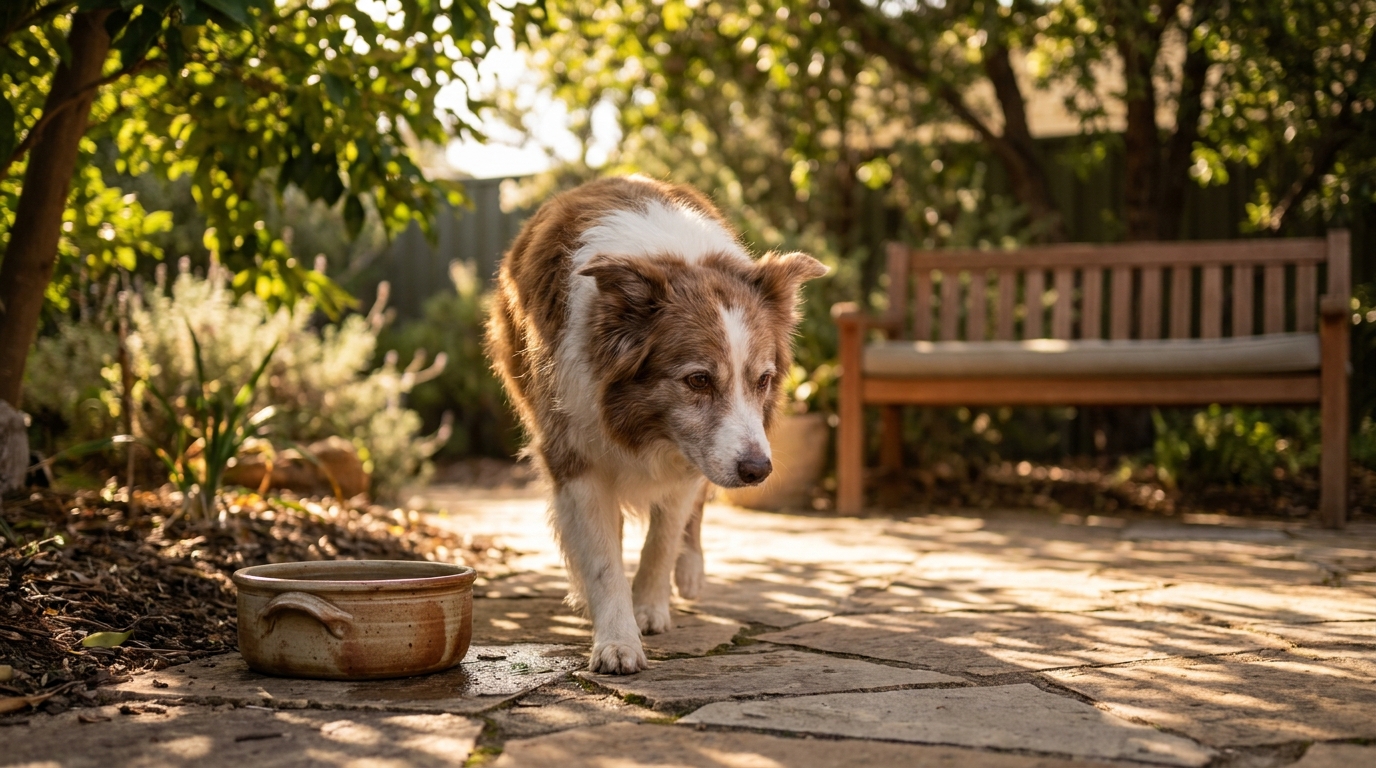
How to choose food for an older dog
Start with your dog’s top priority: weight control, sensitive digestion, mobility support, or dental comfort. Then look at the label for a clear protein source, balanced fat, and nutrients that match your dog’s needs. If you’re browsing options, our range of dog food and treats makes it easy to compare formats (dry, wet, or mixed feeding) in one place.
- For weight gain: Choose a calorie-controlled option and use measured meals rather than free-feeding.
- For fussy appetite: Consider a wet/dry mix, warming food slightly, or adding a small amount of senior-friendly topper (keep it consistent).
- For sensitive stomachs: Look for highly digestible ingredients and a steady fibre blend; avoid frequent rapid changes.
- For stiff joints: Pick a formula that includes joint-supporting nutrients and keep your dog lean to reduce load on hips and knees.
Quick tip: When switching to a new senior formula, transition slowly over 7–10 days (mixing old and new) to reduce tummy upsets.
Treats count too. If you’re using treats for training or enrichment, choose smaller pieces and deduct those calories from meals. You can find senior-suitable options alongside everyday staples in our dog food and treats category.
Feeding routine tweaks that help
Small routine changes can improve comfort and consistency—especially for dogs with slower digestion or changing appetites. Many seniors do better with two to three smaller meals per day rather than one large feed.
- Measure portions: Use a scoop or scales so you can adjust confidently if weight shifts.
- Prioritise hydration: Keep fresh water accessible; consider adding wet food or a little warm water to meals during dry, hot weather.
- Make eating easier: Elevated bowls can help some dogs; softer textures can suit dogs with dental sensitivity.
- Keep timing consistent: Regular meal times support digestion and can help with toileting routines.
For enrichment without extra calories, try food puzzles using part of the meal ration. This keeps older brains engaged while maintaining control over the old dog diet.
Signs the current diet isn’t working
No single plan stays perfect forever. Reassess your dog’s diet if you notice changes lasting more than a week or two, particularly in weight, appetite or stool quality. Ageing is normal, but ongoing discomfort isn’t something to ignore.
- Unplanned weight gain or loss: Check portions, treat intake, and whether the formula suits activity level.
- Dull coat or flaky skin: May suggest the fat balance isn’t right or overall nutrition isn’t being absorbed well.
- Frequent tummy upsets: Could mean the food is too rich, not digestible enough, or changes are happening too quickly.
- Constant hunger or reduced interest in food: Both can happen with age and may signal it’s time to rethink ingredients, meal pattern or palatability.
- Straining to chew: Consider texture changes and dental support in your feeding approach.
Tracking helps: note weekly weight (or body condition), stool consistency, and energy on walks. These simple markers show whether your current senior dog food choice is doing its job.
Frequently Asked Questions
Should I switch to a senior formula straight away once my dog hits a certain age?
Not always—age is a guide, but body condition and health are better indicators. If your dog is gaining weight, losing muscle, or slowing down, it’s a sensible time to review their feeding plan and consider a senior-focused option.
Is higher protein bad for older dogs?
Many seniors benefit from quality, digestible protein to help maintain muscle, especially if they’re losing condition. The key is choosing a balanced formula and adjusting portions to suit your dog’s energy needs.
How do I know if I’m feeding the right amount?
Start with the feeding guide, then adjust based on your dog’s body condition, activity and treat intake. If ribs are hard to feel or your dog looks rounder through the waist, reduce slightly; if they’re getting bony, increase gradually.
Ready to update your dog’s bowl with age-appropriate nutrition? Explore our range of dog food and treats and fine-tune your approach to your pet’s changing needs; if you’re unsure what’s best for your dog’s health history, chat to your vet.