


Trying to work out whether The Paw Grocer is worth it, or whether an alternative will stretch your budget further? This comparison focuses on what you really pay for: ingredients, portion sizes, convenience, and how well it fits your day-to-day routine.
Disclosure: Pacific Pet Supplies stocks The Paw Grocer. This article provides general shopping guidance only and isn’t personalised nutrition advice. Always follow the specific product label and feeding guide for the item you choose, and speak with your vet if your pet has medical needs.
What “value” really means for pet food
“Better value” isn’t always the lowest price per bag. For most Aussie households, value is the mix of nutrition suitability, your pet’s tolerance, how long it lasts, and whether you’re throwing half of it away (or spending extra on add-ons to make meals appealing).
To compare fairly, first identify what the product is designed to be in your home: a complete meal, a complementary topper, or a treat/reward. Those roles have different serving sizes, different expectations, and very different “cost per day” outcomes. When in doubt, use the product label as the source of truth and stick to its feeding guide.
- Cost per serve: not just price per pack—portion guidance matters. (If you’re searching for “The Paw Grocer cost per serve”, this is the number that makes comparisons honest.)
- Ingredient goals: look for protein-first recipes, single-protein options, or limited-ingredient styles if that’s what you’re aiming for.
- Tolerance: a product that agrees with your pet may mean fewer “plan B” purchases and less waste.
- Convenience: storage, portioning, and how it fits your routine (especially in warm, humid months) can affect real-world value.
If you want the quickest test, pick one product that suits how you feed (meal base, topper, or treat), trial it consistently for a couple of weeks, and note appetite, stools, and how much you actually use versus discard.
The Paw Grocer: what you’re paying for
Before comparing price, clarify what you’re buying within this range. Some items are intended as a main diet, while others are designed as complementary feeding (such as toppers) or occasional treats. Value looks very different depending on whether you’re calculating a full daily ration or a small “boost” added to an existing meal. Always check the pack for the intended use and follow the feeding guide for that specific product.
In practical terms, what people often mean by “premium” is measurable: recipes that are protein-forward, options that suit simpler ingredient preferences (for example, single-protein or limited-ingredient styles), and formats that make portioning straightforward. That can cost more upfront, but it may still be better value if it reduces waste, improves consistency in your feeding routine, or replaces multiple pantry “fixes” (like constantly swapping flavours or buying extra toppers to keep interest).
A useful way to plan is to assign a clear role:
- As a complete meal (where applicable): compare it against other complete diets by daily serve size, life stage suitability, and storage once opened.
- As a complementary topper: compare by how many meals it can enhance and whether it helps you keep your base diet consistent.
- As treats/rewards: compare by treat size, breakability, and how long the pack lasts in training.
If you want to browse what’s available in-store, you can view The Paw Grocer range and compare formats and pack sizes side-by-side.
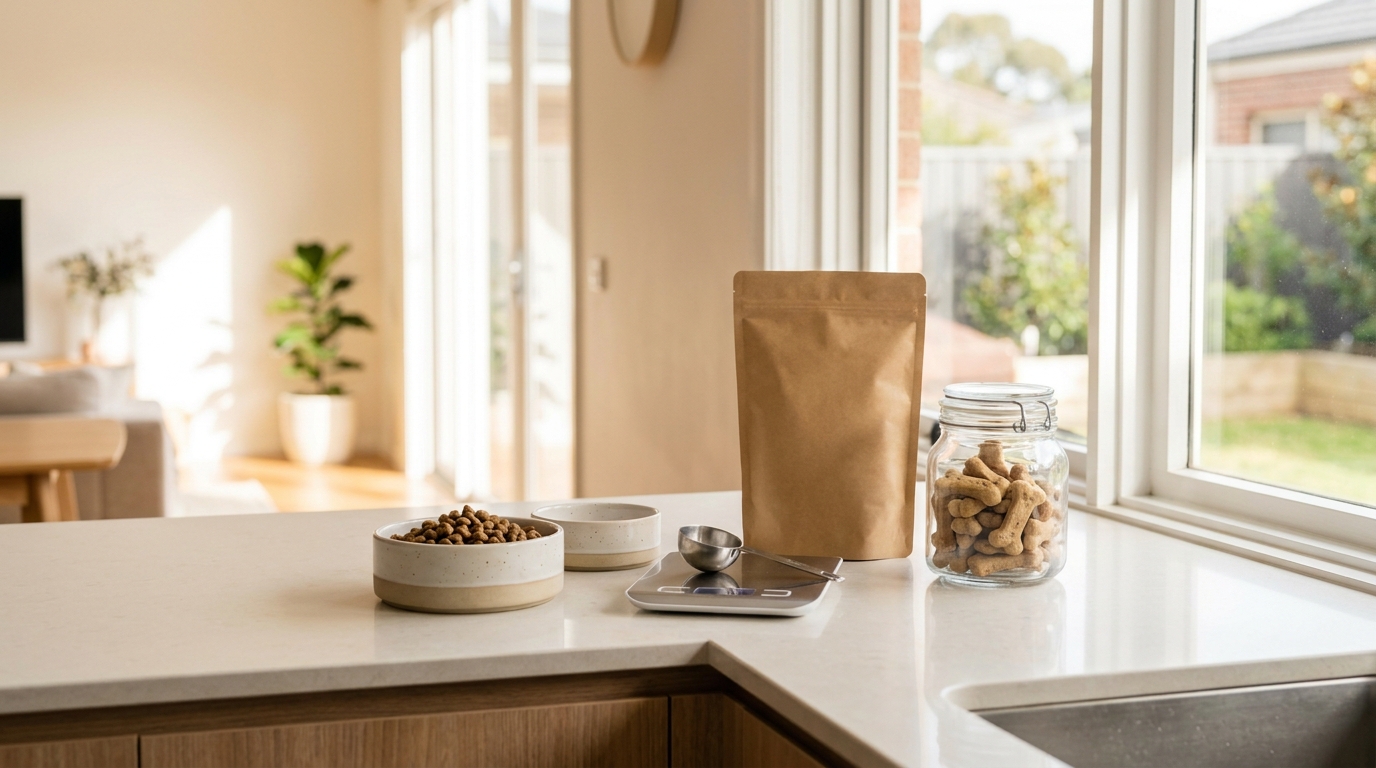
Alternatives: a scannable comparison checklist
You don’t need to name competitor brands to compare properly. Instead, compare items in the same category (similar format and intended use), then run a quick checklist. This keeps the comparison fair, especially when you’re weighing up “Is The Paw Grocer worth it?” for your own household.
| What to compare | What to check on the label | Why it changes value |
|---|---|---|
| Format | Complete diet vs complementary topper vs treat | Portion sizes and frequency of use aren’t comparable across categories. |
| Life stage | Puppy/kitten, adult, senior (and any breed/size guidance) | A good “deal” isn’t value if it doesn’t suit your pet’s stage. |
| Portion size | Feeding guide by weight/activity | This is the foundation for true cost per serve and weekly spend. |
| Storage | Re-seal instructions, refrigeration notes, best-before after opening | In Brisbane-style humidity and hot summers, freshness affects waste and palatability. |
| Cost per serve | Pack size (g) divided by your measured daily amount | Sticker price can mislead if one product needs a larger daily portion. |
Also consider “hidden costs”. A cheaper option can become expensive if you need extras for taste, if it doesn’t suit your pet, or if it goes stale and ends up in the bin. On the flip side, a premium product can be better value when it reduces those patch-fix purchases.
Quick tip: Before you commit to a bigger pack, trial a smaller size (or a single format) for 2–3 weeks and track appetite, stools, coat condition, and scratching. When changing foods, transition gradually over 5–7 days to reduce the chance of stomach upsets.
Who gets the best value from The Paw Grocer?
This range tends to offer the best value for owners who prioritise ingredient preferences and consistency, and who prefer a simple feeding plan they can stick to. If you’ve got a fussy eater or a pet that gets bored easily, using a premium complementary topper (where appropriate) can be a cost-effective way to lift mealtime without constantly changing the whole diet.
It can also be strong value if you’re feeding a smaller dog or cat. Smaller pets generally make premium packs last longer, which lowers the real weekly spend. For larger dogs, value often comes from using premium items strategically (for example, as a topper or reward) rather than relying on them as the only thing you buy.
Where it may be less cost-effective is when your pet needs very large daily portions and you’re trying to keep costs as low as possible. In that case, comparing alternatives by weekly spend (not shelf price) is the most honest way to judge it.
How to buy smarter (and stretch your budget)
If you’re aiming for “better value” rather than “cheapest”, the goal is to reduce waste and maximise usefulness. These habits help premium choices go further.
- Use premium items where they matter most: high-value training rewards, enrichment stuffers, or a measured topper portion for fussy meals.
- Store properly: keep packs sealed between uses so aroma and texture stay appealing—especially during warm Aussie months.
- Rotate with purpose: change one element at a time and transition new foods over 5–7 days.
- Buy for the next 4–6 weeks: enough to be convenient, not so much that freshness drops before you finish it.
Simple value framework (brand-neutral): calculate cost per serve using the amount you actually feed (measured in grams, not guesses), then compare like-for-like formats. Your product’s feeding guide is the best starting point, then adjust for your pet’s body condition and activity with your vet’s guidance if needed.
- Example: a $30 pack contains 600 g total. The feeding guide (or your measured scoop) means you use 20 g per day.
- Serves per pack = 600 g ÷ 20 g = 30 serves.
- Cost per serve = $30 ÷ 30 = $1.00 per day.
- Now compare that to an alternative: if it’s $22 for 500 g but you feed 25 g per day, that’s 20 serves, or $1.10 per day.
This approach is more useful than comparing sticker prices because it captures portion differences and helps you spot when “cheaper” isn’t actually cheaper for your pet.
Shopping with a plan is the simplest way to keep premium choices affordable. If you’re comparing options now, revisit The Paw Grocer products and pick one item to trial first based on your pet’s needs and your routine.
Frequently Asked Questions
Is The Paw Grocer actually better value than cheaper options?
It can be, if your pet eats it reliably, does well on it, and you’re not wasting product. Real value comes from cost per serve, the product’s intended role (complete diet vs topper vs treat), and how often you need to buy extra “helpers” to get meals eaten.
What should I look for when reading reviews of The Paw Grocer?
Prioritise reviews that describe the pet’s size, life stage, and how the product was used (main meal vs complementary topper vs treats), plus practical details like serving size and storage. Treat reviews as personal experiences, not proof—your best guide is still the label, the feeding guide, and your own trial results.
How do I compare The Paw Grocer products to alternatives fairly?
Compare the same type of product (same format and intended use), then estimate weekly cost based on your pet’s portion needs from the feeding guide. Factor in freshness, waste, and tolerance. If you’re changing foods, transition gradually over 5–7 days to help avoid stomach upsets.
If you want to weigh up value quickly, browse The Paw Grocer range and choose one product to trial before you commit to larger packs. For pets with complex health needs, chat to your vet at your next visit.