

Looking for a low-fuss way to keep your home and yard cleaner after pets? BioGone has become a go-to for many Australian pet owners because the range is designed to help break down organic residues like urine and faeces rather than simply masking odour. In this BioGone review, we’ll cover what drives the brand’s popularity, typical use cases, and how to choose BioGone products that suit your surfaces and routine.
Important note: If your pet’s urination habits change suddenly (more frequent, straining, accidents, blood, strong smell, drinking a lot, or new indoor marking), book a vet check. Cleaning is helpful for hygiene and odour control, but health or behavioural causes should be addressed first.
What makes BioGone stand out
Most pet households don’t need complicated solutions—they need products that fit into busy routines and deal with the source of odour where possible. One reason BioGone is widely chosen is its focus on targeted cleaning and odour control for common pet-related problems: toileting accidents, smelly bins, kennels, and outdoor areas where residue can soak in and linger.
Another strength is how many households can use the same brand across different zones. You might be dealing with tiled laundry floors, concrete patios, dog runs, or a carrier that’s had one stressful trip to the vet. Instead of using a different bottle for every scenario, many owners build a small kit from the BioGone range and stick to it.
It’s also worth setting expectations: results can vary depending on the surface (porous concrete vs sealed tile), how long the mess has been there, and how often the area is re-soiled. For older stains and odours, you may need more than one application and a bit of patience.
If you’re browsing the full range, start with BioGone to compare options and pick what suits your home setup.
Everyday uses in real pet homes
Pet mess isn’t one-size-fits-all. A cat in an apartment creates different cleaning challenges than two dogs with a backyard run—and that’s where having a few well-chosen BioGone products can simplify your clean-up routine.
- Indoor accidents: Useful when toilet-training a puppy or managing senior pet leaks. Prompt clean-up can help reduce lingering odour that may encourage repeat marking.
- Litter area freshness: Helpful around litter trays and nearby floors where splashes, tracking and odour can build over time—especially in humid weather.
- Outdoor problem spots: Commonly used on patios, concrete paths, dog runs and synthetic turf where smells can cling, particularly during hot Australian summers.
- Pet gear and high-traffic zones: Handy around carriers, crates, mats and the back door area where pets congregate.
A practical BioGone review point many pet owners mention is how much easier routine maintenance becomes when you tackle smells early—particularly during summer storms or a wet winter spell, when moisture can make odours hang around.
Quick tip: Clean first, then treat. Remove solids and blot liquids before applying a deodoriser or cleaner—this helps the product reach what’s causing the smell instead of sitting on top of grime.
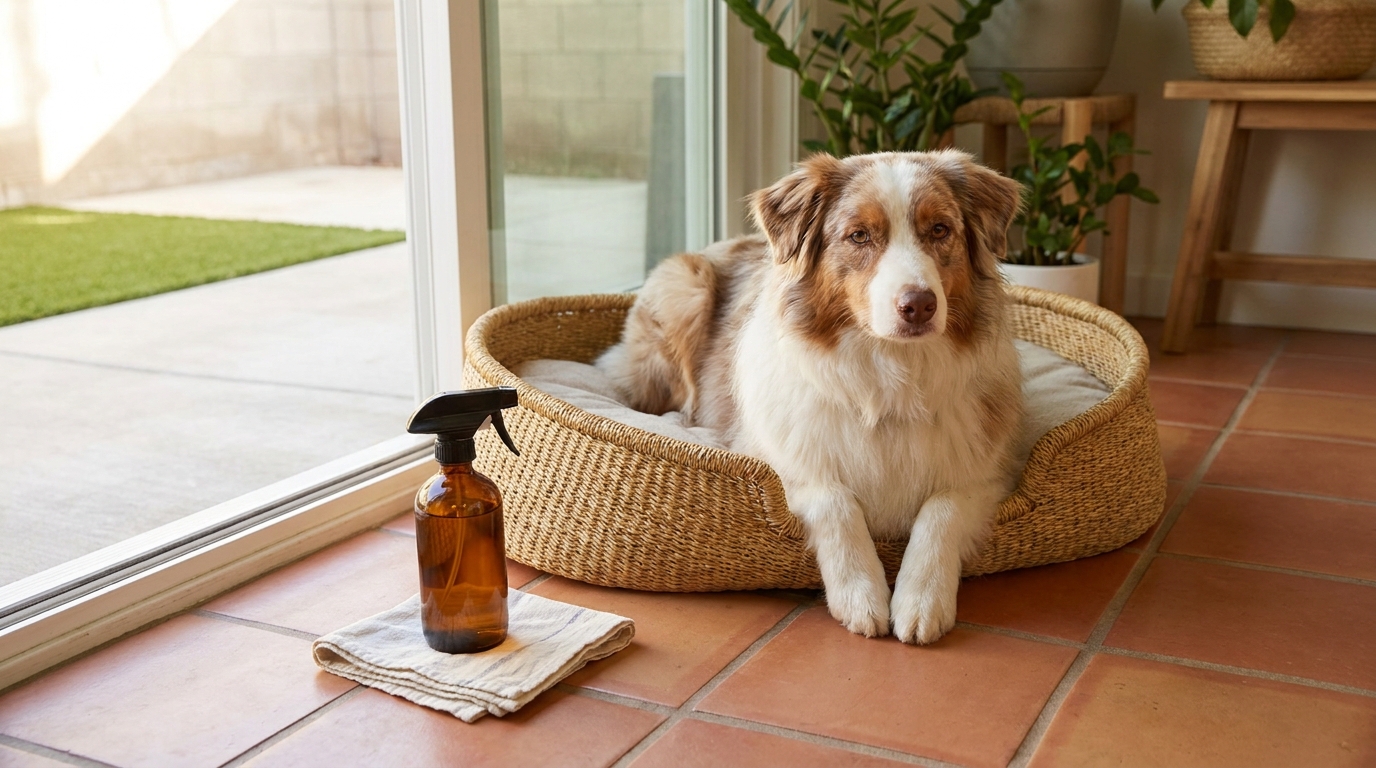
Choosing the right BioGone product
Choosing from BioGone products is easiest when you match the formula to where the problem happens: indoors, outdoors, or on specific surfaces. If you’re mainly dealing with indoor accidents, look for a product positioned as a pet urine odour remover style solution—something intended to help break down organic mess and reduce odour at the source.
To make your selection more actionable, here are a few common BioGone item types and what they’re generally best for (always confirm the exact label directions for your chosen product and surface, as product names and formats can vary):
- BioGone indoor enzymatic-style cleaners (product names vary): Often chosen for fresh indoor accidents on sealed floors and spot clean-ups where you want residues dealt with rather than covered up.
- BioGone urine & odour eliminator style sprays (product names vary): Often used for targeted “hot spots” such as corners, crate trays or repeat-mark areas where odour keeps coming back.
- BioGone outdoor kennel & run treatments (product names vary): Typically used for dog runs, kennels and paved areas where wash-down alone doesn’t shift built-up smells.
- BioGone turf & hard-surface odour control options (product names vary): A common pick for dog urine odours that cling to concrete or synthetic grass zones that warm up in the sun and hold smell.
For outdoor use, prioritise products clearly intended for kennels, concrete, pavers and turf areas. Many Aussie homes have a mix of shaded and sun-exposed zones; smells can intensify in heat, while damp shaded corners can hold odour longer—so it’s worth treating the “hot spots” regularly and rinsing away loose debris first (where the label permits).
For apartments and smaller spaces, consider keeping one bottle for litter areas and another for general floor touch-ups. That way you can respond quickly without digging through the laundry cupboard every time.
To see the current range in one place, you can shop BioGone products and choose based on your pet’s routine and your surfaces.
Best results and sensible safety
No cleaner is “one rule fits all”, and it’s worth treating label instructions as the source of truth. Before using any BioGone product (especially on new materials), check the packaging for:
- Species suitability: Some households have cats, dogs, birds or small pets—confirm the product is appropriate for your situation.
- Dilution and dwell/contact time: Many products work best when left on the area for a set period as directed on the label (often minutes rather than seconds), particularly on porous surfaces like grout or unsealed concrete.
- Rinsing guidance for pet-access areas: Some surfaces may be fine to air-dry, while others may need a rinse or wipe after the recommended contact time. Follow the label so pets aren’t tracking residue onto beds or licking treated zones.
- Patch testing: Test an inconspicuous area first on carpets, painted surfaces, timber, or delicate finishes to reduce the risk of discolouration.
- Ventilation and drying: Use in a well-ventilated area where possible, and keep pets (and kids) away until treated areas are fully dry.
For best cleaning outcomes, standard housekeeping habits still matter. Blot rather than rub fresh accidents (rubbing can push residue deeper), remove as much material as possible before treating, and be prepared to repeat applications for older stains or frequently soiled zones. On rough concrete, odours can sit deeper than they look—extra time and more than one pass is sometimes part of the process.
Safety reminder: Don’t mix cleaning products together (for example with bleach or other chemicals) unless the label specifically says it’s safe. Mixing can reduce effectiveness or create unwanted fumes.
Value for money and ease of use
Value isn’t just price—it’s how consistently a product fits your routine and whether it reduces re-work. Pet owners often stick with BioGone because it’s generally straightforward to apply and supports a repeatable cleaning process: remove mess, treat residue, and keep problem areas manageable between deeper cleans.
If you’re cleaning daily (think puppy training, rainy-season mud, or a multi-pet household), a product you can use without overthinking helps you stay consistent. Consistency matters because “little and often” spot cleaning can prevent a bigger scrub-down later—especially around litter zones, crate areas and back doors.
Another practical benefit is day-to-day comfort. Whether you’ve got a dog bed in the lounge or litter in a laundry nook, keeping odours under control makes the home more pleasant for everyone—without needing to perfume the whole space.
Frequently Asked Questions
Are BioGone products suitable for homes with cats and dogs?
Many pet owners use BioGone across mixed-pet households, but suitability can vary by product. Always check the specific label for species guidance, dilution and contact time, use with ventilation where recommended, and keep pets away until surfaces are fully dry.
Can I use BioGone in outdoor areas like kennels and patios?
Outdoor areas are a common use case, especially where odours linger on concrete, pavers or dog runs. For best results, remove waste first, rinse away loose debris where appropriate, then follow the manufacturer directions, allow the recommended dwell time, and reapply as part of a maintenance routine—particularly during warmer months.
What’s the best way to stop repeat marking after an accident?
Clean up promptly, then treat the affected spot thoroughly so residues don’t remain. If the area has been soiled before, you may need repeated applications and enough dwell time (as per the label) to reach what’s absorbed below the surface. If marking is persistent, sudden, or accompanied by other signs (pain, frequent attempts, excessive thirst), book a vet appointment—medical or stress-related causes are common and cleaning alone won’t resolve them.
Ready to refresh your pet spaces? Browse the full BioGone range and pick the option that matches your home, surfaces, and cleaning routine.
