


Dog separation anxiety can turn a quick school run into barking, pacing, and stressed-out behaviour for both you and your pup. If you’re seeing signs of dog anxiety when alone, the good news is there are practical, evidence-based steps that can help—without guessing or “waiting it out”.
This guide breaks down what to look for, why it happens, and which separation anxiety solutions tend to make the biggest difference.
Signs it’s separation anxiety (not “bad behaviour”)
Separation-related distress usually shows up soon after you leave or when your dog thinks you’re about to go. It’s driven by panic, not spite—so punishment tends to make it worse.
Common signs include:
- Vocalising (barking, howling, whining) that starts after departure
- Destructive behaviour near exits (scratching doors, chewing frames, digging at carpet by the doorway)
- Toileting indoors despite being otherwise house-trained
- Pacing, drooling, panting or inability to settle
- Escape attempts (damaged crates, bent baby gates, injured paws or nose from scratching)
- Shadowing you at home and distress during “pre-leave” cues (shoes, keys, work bag)
If you’re unsure, a cheap pet cam is one of the best investments. It helps you see whether the issue is dog anxiety when alone, boredom, noise sensitivity, or a mix.
Common causes and triggers
Dogs are social animals, and some cope poorly with being separated from their people. Separation anxiety can develop at any age, including in confident adult dogs after a life change.
Frequent triggers include:
- Changes in routine (returning to the office, new shift times, kids back at school)
- Moving house or a new neighbourhood with unfamiliar sounds
- Loss of a companion (another pet, family member, or housemate)
- Big developmental periods in adolescents, when independence skills are still forming
- Under-stimulation (not enough enrichment for a smart or high-energy dog)
In Australia, hot weather can add another layer: a dog that’s already stressed may struggle more on warm, humid days when it’s harder to rest. Keep comfort in mind—shade, airflow, and cool water—alongside behaviour work.
What actually helps: training + routines
The goal is to teach your dog that being alone is safe and predictable. The most effective approach is usually a combination of gradual alone-time training, calmer departures, and meeting needs before you leave.
1) Build alone time in tiny, winnable steps
Start with seconds, not minutes. Practise leaving and returning before your dog escalates—then slowly increase time. If your dog panics at 30 seconds, train at 5–10 seconds until they can stay relaxed.
2) Reduce “big goodbyes” and “big hellos”
Keep exits and returns low-key. The message you want is: your comings and goings are normal, not dramatic events.
3) Change the meaning of departure cues
Pick up keys, put on shoes, grab your bag—then sit back down. Repeating these cues without leaving helps your dog stop treating them like an alarm bell.
4) Provide a predictable pre-leave routine
A quick toilet break, a sniffy walk, and a calm settle spot can lower arousal. Many dogs cope better after they’ve had a chance to move and decompress.
Quick tip: Don’t “test” progress with a long outing. If you jump from 5 minutes of success to 2 hours away, you can accidentally reset training. Increase time in small increments.
5) Set up a safe, calm environment
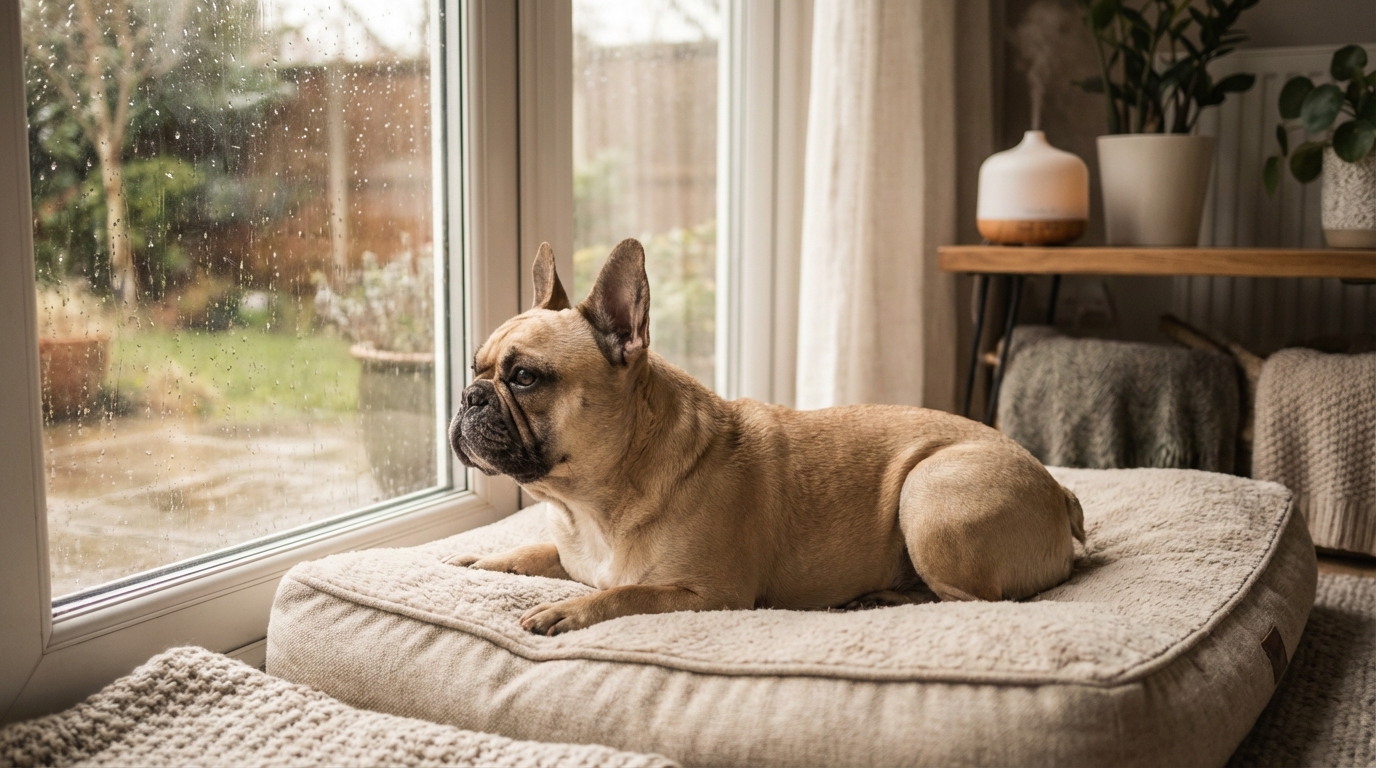
Try soft background sound, closing curtains to reduce visual triggers, and giving a comfortable resting area. Some dogs relax better in a larger puppy-proofed area than a crate, especially if confinement increases panic.
6) Make alone time rewarding (but not frustrating)
Food puzzles and long-lasting chews can help—if your dog will actually eat when you’re gone. A dog that’s too stressed to take food needs easier steps first.
Calming supports that can make training easier
Training is the foundation, but the right calming supports can lower the intensity of stress so your dog can learn. Think of products as “training helpers”, not instant fixes.
Pheromone-based calmers
Dog-appeasing pheromones can help some dogs feel more settled at home. Options often include diffusers for the room your dog spends time in, plus sprays for bedding or travel. If you’re exploring this route, browse our Adaptil range and choose the format that fits your set-up.
Comfort tools and enrichment
A cosy bed, a den-like corner, and rotating enrichment (snuffle mats, lick mats, puzzle feeders) can reduce restlessness. For dogs that escalate quickly, start enrichment before you leave so it becomes part of the calm routine—not a “goodbye bribe”.
Management for real-life days
While you’re training, you may need interim support so your dog isn’t repeatedly pushed over threshold. Options include dog daycare, a trusted pet sitter, or a friend dropping in—anything that prevents repeated panic and helps protect progress.
Frequently Asked Questions
How do I tell separation anxiety apart from boredom?
Boredom usually shows up as opportunistic mischief that can happen at any time, often alongside lots of unused energy. Separation-related distress tends to begin quickly after you leave and looks more like panic—pacing, vocalising, escape attempts, or destruction focused around exits.
Will getting a second dog fix it?
Sometimes a companion helps, but it’s not a reliable fix—many dogs with separation issues are distressed by being away from people, not other dogs. Adding another dog can also introduce new stressors, so it’s best seen as a separate decision from anxiety management.
How long does training usually take?
It depends on severity, how long the pattern has been happening, and how consistently you can prevent panicked alone time. Many dogs improve with steady practice over weeks, while more intense cases can take longer and benefit from a structured plan.
If you’re ready to support calmer time at home, explore our Adaptil range as part of a practical training plan. If your dog is injuring themselves, refusing food, or their distress is escalating, chat to your vet at the end of your next visit for tailored advice.