


A well-functioning digestive system is the foundation of your dog's overall health, energy, and happiness. Whether you're dealing with occasional tummy upsets or simply want a reliable dog gut health guide to keep things running smoothly, the right combination of diet, routine, and supplementation can make a remarkable difference. Here are practical dog digestion tips you can start using today.
Why Your Dog's Gut Health Matters More Than You Think
Your dog's gastrointestinal tract does far more than break down food. Roughly 70–80% of the immune system resides in the gut, which means poor digestion can lead to issues well beyond the stomach — including skin irritation, low energy, and weakened immunity.
In Australia's warmer months, dogs are especially prone to picking up bacteria from stagnant water, decomposing scraps, or even licking unfamiliar surfaces at the park. A resilient gut microbiome helps your dog fight off these everyday challenges before they become a problem.
Understanding the connection between digestion and whole-body wellness is the first step in any serious digestive health plan for your pet.
Choose the Right Diet as Your First Step
Nutrition is the single biggest lever you can pull to improve your dog's digestion. A high-quality, species-appropriate diet with clearly identified protein sources gives the gut less work to do and more to work with.
Look for foods that list a named animal protein — such as lamb, chicken, or fish — as the first ingredient. Avoid products loaded with artificial colours, fillers, or unnamed meat meals. Whole grains or grain-free options both have their place depending on your dog's individual tolerance.
Switching foods? Do it gradually over 7–10 days, mixing increasing amounts of the new food with the old. Sudden changes are one of the most common triggers of digestive upset in dogs. Browse our range of dog food and treats formulated with digestive wellness in mind.
Probiotics, Prebiotics, and Fibre: The Digestive Trio
Think of your dog's gut as a garden. Probiotics are the beneficial bacteria you plant, prebiotics are the fertiliser that feeds them, and fibre is the structure that keeps everything moving efficiently.
Probiotics introduce strains like Lactobacillus and Enterococcus that support a balanced microbiome. They're particularly useful after a bout of diarrhoea or during stressful periods such as boarding or travel.
Prebiotics — often sourced from chicory root, sweet potato, or pumpkin — feed the good bacteria already present in your dog's system. Combined, the two work synergistically to maintain gut balance.
Fibre adds bulk to stools and promotes regular bowel movements. A tablespoon of plain, cooked pumpkin mixed into meals is a simple Australian-pantry staple that many dogs love.
Quick tip: Cooked and cooled pumpkin can be portioned into ice-cube trays and frozen — perfect for adding a fibre boost to meals during a hot Queensland or Western Australian summer.
Daily Habits That Improve Dog Digestion
Beyond diet, several everyday routines play a significant role in keeping your dog's gut in top shape.
- Consistent meal times. Feeding at the same times each day trains the digestive system to anticipate and prepare for food, improving nutrient absorption.
- Adequate hydration. Always provide fresh, clean water. Dehydration slows digestion and can lead to constipation — especially during Australian summers when temperatures regularly exceed 35°C.
- Regular exercise. A daily walk or play session stimulates gut motility and helps food move through the digestive tract at a healthy pace.
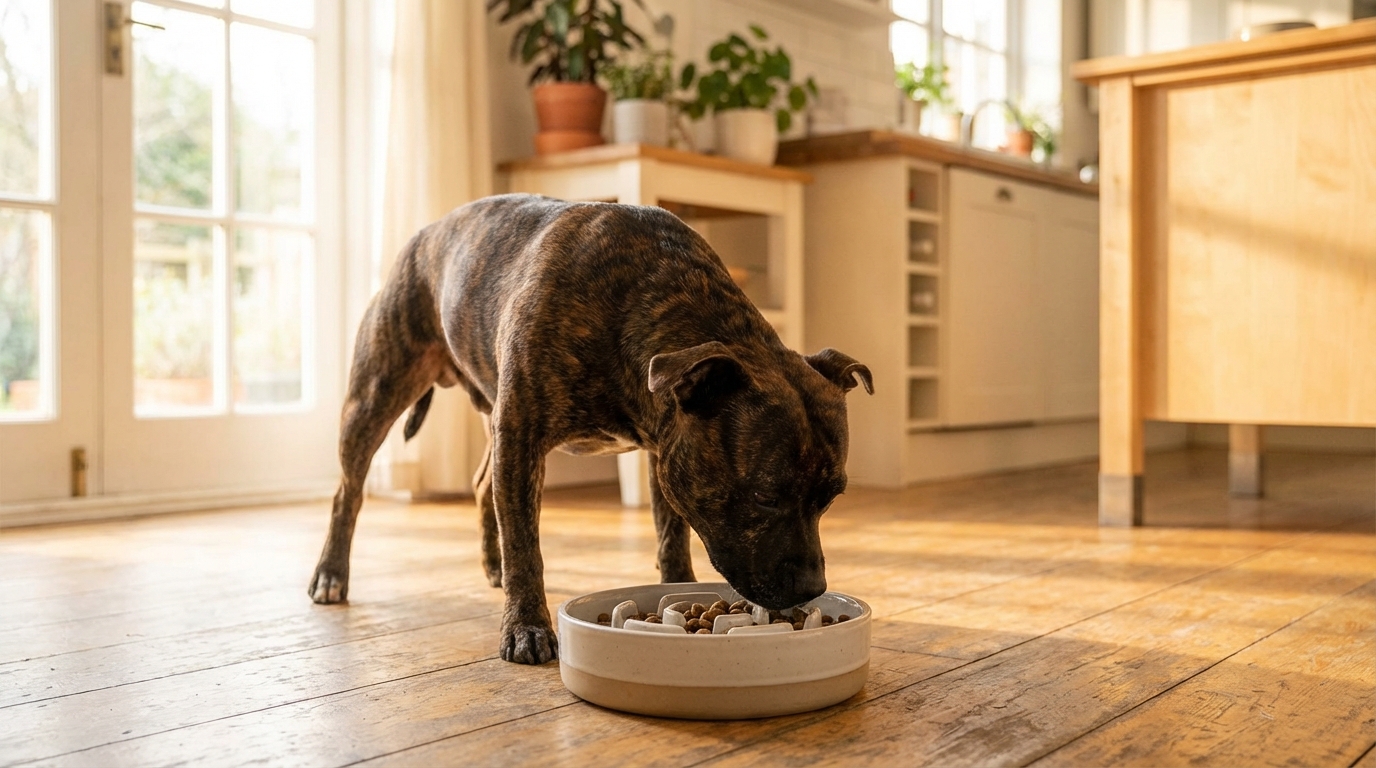
- Slow feeding. Dogs that inhale their food swallow excess air, leading to bloating and discomfort. A slow-feeder bowl or puzzle feeder can make a noticeable difference.
- Minimise table scraps. Fatty, spicy, or heavily seasoned human foods are a common cause of pancreatitis and gastric distress in dogs.
Small, consistent changes in your daily routine often deliver better long-term results than any single supplement or product.
Signs Your Dog's Digestion Needs Attention
Occasional soft stools or a skipped meal aren't necessarily cause for alarm. However, persistent symptoms deserve a closer look. Watch for:
- Chronic diarrhoea or constipation lasting more than 48 hours
- Excessive gas or bloating after meals
- Vomiting that occurs regularly, not just as a one-off
- Mucus or blood in the stool
- Unexplained weight loss despite a normal appetite
- Scooting, which can sometimes indicate anal gland issues linked to dietary fibre levels
If your dog's coat has become dull, or if they seem lethargic and uninterested in food, these can also be downstream effects of compromised gut health. Explore our digestive health range for targeted support products that can help restore balance.
Frequently Asked Questions
How long does it take to see improvements in my dog's digestion?
Most dogs show noticeable improvements within two to four weeks of dietary changes or the introduction of a probiotic supplement. Consistency is key — stick with the new routine long enough for the gut microbiome to adjust before making further changes.
Can stress affect my dog's gut health?
Absolutely. The gut–brain axis in dogs functions much like it does in humans. Stressful events such as moving house, fireworks season (a big one around New Year's in Australia), or changes in household routine can trigger loose stools, appetite loss, and other digestive symptoms.
Is pumpkin really good for a dog's digestion?
Plain, cooked pumpkin is an excellent source of soluble fibre and can help firm up loose stools or ease mild constipation. Avoid canned pumpkin pie filling, which contains added sugars and spices. A tablespoon or two mixed into your dog's meal is generally well tolerated by most breeds.
Supporting your dog's digestion doesn't have to be complicated — start with quality nutrition, build good daily habits, and add targeted support where needed. If symptoms persist or worsen, it's always worth having a chat with your vet. Ready to take the next step? Browse our full collection of dog food, treats, and digestive supplements to find the right fit for your furry mate.