


As temperatures drop across Australia, many dog owners wonder whether their furry mate is feeling the chill. Knowing how to keep your dog warm during winter isn't just about comfort — it's essential for their health and wellbeing. From frosty Canberra mornings to brisk Melbourne evenings, here's everything you need to know about cold weather safety for your dog.
Signs Your Dog Is Feeling the Cold
Dogs can't tell us when they're cold, so it's up to us to read the signs. Common indicators include shivering, tucking the tail, curling into a tight ball, and reluctance to go outside.
You might also notice your dog seeking out warm spots — pressing against heaters, burrowing under blankets, or refusing to leave their bed. Some dogs will whimper or appear anxious when exposed to cold conditions for too long.
If your dog's ears or paws feel cold to the touch, that's another clear signal they need extra warmth. Lethargy and slow movement can also point to a dog that's struggling with the temperature.
Which Dogs Are Most Vulnerable in Winter?
Not all dogs handle winter equally. Small breeds like Chihuahuas, Italian Greyhounds, and Miniature Pinschers have less body mass and thinner coats, making them more susceptible to the cold.
Senior dogs and puppies are also at greater risk. Older dogs may have joint stiffness that worsens in cold weather, while young puppies haven't yet developed the ability to regulate their body temperature efficiently.
Short-haired breeds, dogs with low body fat, and those with existing health conditions need extra attention during the cooler months. Even larger breeds that seem tough — like Greyhounds or Whippets — can feel the cold keenly due to their lean builds and thin coats.
Creating a Warm, Cosy Sleeping Setup
One of the simplest ways to keep your dog warm this winter is to upgrade their sleeping arrangement. A quality, insulated dog bed raised off cold floors can make an enormous difference, especially for dogs that sleep in garages, laundries, or other unheated areas.
Look for beds with bolstered sides that trap warmth, or consider a hooded or cave-style bed for dogs that love to burrow. Adding a fleece blanket gives your dog something to nestle into on particularly chilly nights.
Quick tip: Place your dog's bed away from draughty doors and windows. Even a small gap under a door can drop the temperature significantly at floor level where your dog sleeps.
If your dog sleeps outdoors, ensure their kennel is weatherproof with a raised floor, a wind-blocking entrance, and plenty of warm bedding. However, on nights when temperatures dip below 5°C — common in areas like Hobart, the Blue Mountains, and regional Victoria — bringing your dog inside is the safest option.
Cold Weather Safety for Walks and Outdoor Time
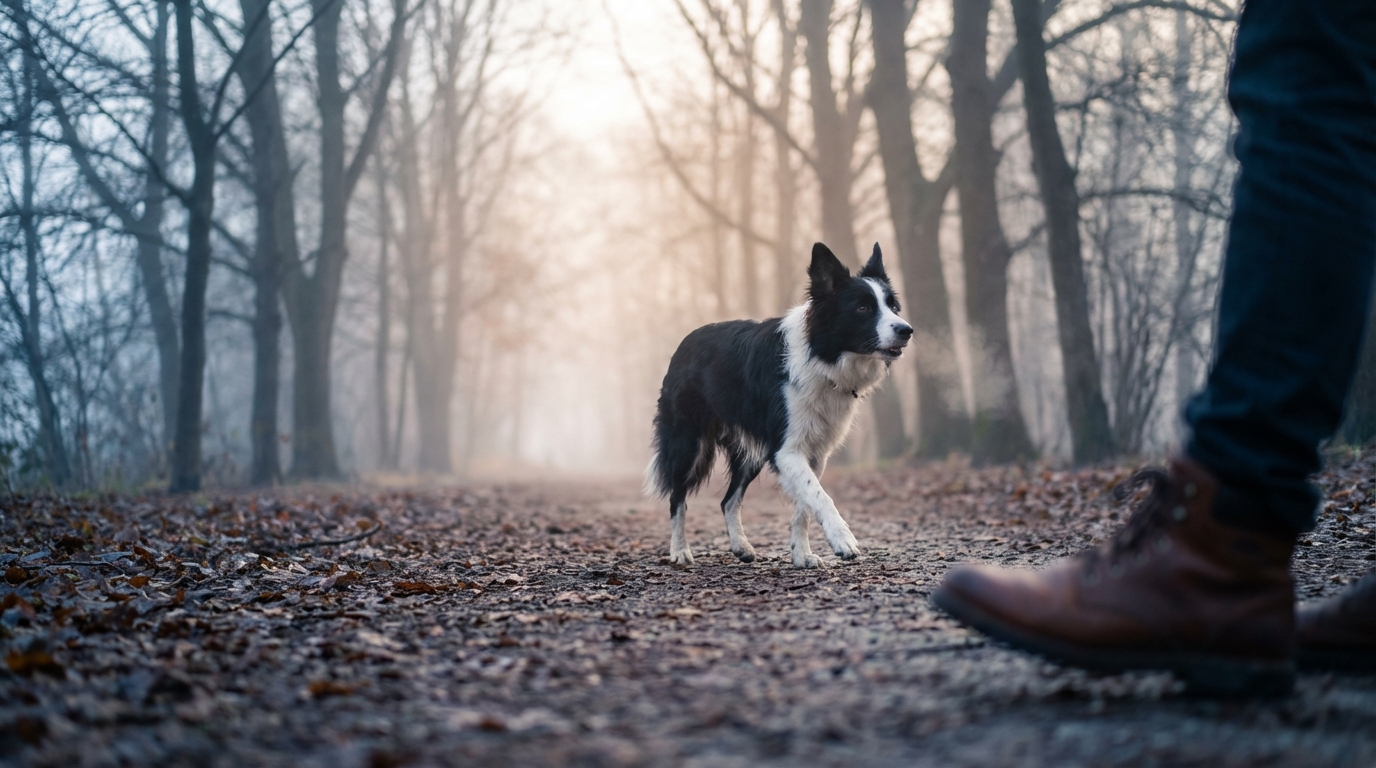
Winter walks are still important for your dog's physical and mental wellbeing, but a few precautions go a long way. Try to schedule walks during the warmest part of the day — typically late morning or early afternoon — rather than early morning or after sunset when temperatures plummet.
For small, senior, or thin-coated dogs, a well-fitted dog coat or jumper provides genuine warmth, not just a cute look. Make sure it covers the chest and belly without restricting movement.
After walks, dry your dog thoroughly if they've been exposed to rain or damp conditions. Wet fur loses its insulating properties quickly, and prolonged dampness can lead to skin irritation. Pay special attention to drying between the toes and around the ears.
Keep an eye on the ground surface too. Frosty or icy paths can be uncomfortable on paw pads, and dogs can slip on wet, cold surfaces just like we can.
Winter Nutrition and Health Essentials
Your dog may need slightly more food during winter, particularly if they spend time outdoors. Their body burns extra energy to stay warm, so a modest increase in portion size — or switching to a slightly higher-calorie food — can help maintain a healthy weight through the season.
Fresh, clean water is just as important in winter as in summer. Dogs can become dehydrated in cold weather without owners realising, especially if they're reluctant to drink cold water. Consider offering room-temperature water to encourage regular drinking.
Winter is also a good time to review your dog's overall health and wellness routine. Joint supplements containing glucosamine can support mobility in older dogs whose stiffness tends to worsen in the cold. Skin and coat supplements with omega fatty acids help combat the dry, flaky skin that indoor heating and cold winds can cause.
Keep up with regular flea and worming treatments too — parasites don't take a winter holiday, even if they're less visible during the cooler months.
Frequently Asked Questions
What temperature is too cold for a dog to be outside?
As a general guide, most dogs start to feel uncomfortable below 10°C, and temperatures under 5°C can be dangerous — particularly for small, elderly, or short-haired breeds. If it's too cold for you to stand outside comfortably without a jacket, your dog likely needs protection too.
Should I let my dog sleep in my bed during winter?
That's a personal choice, but sharing body heat is certainly effective. If you'd prefer your dog to sleep separately, a high-quality insulated bed with a warm blanket in a draught-free room is an excellent alternative that keeps them just as snug.
Do dogs need winter coats or jumpers?
Many dogs genuinely benefit from a coat or jumper, especially small breeds, lean dogs, senior dogs, and those with short or thin fur. Thick double-coated breeds like Huskies and Samoyeds generally don't need extra layers, as their coat provides natural insulation.
Keeping your dog warm and safe through winter doesn't have to be complicated — a few simple changes to their routine, diet, and sleeping setup make a world of difference. Browse our range of cosy dog beds to give your mate the warmth they deserve this season, and have a chat to your vet if you have any concerns about your dog's health during the colder months.