


Finding healthy treats for your dog isn't just about grabbing the first packet off the shelf — it's about understanding what fuels good behaviour, supports nutrition, and keeps tails wagging. Whether you're rewarding a puppy during obedience class or treating your senior mate after a bush walk, choosing the right dog treats makes a genuine difference to their wellbeing. This guide breaks down everything you need to know.
Why the Right Treats Matter
Dog treats serve a bigger purpose than most owners realise. They're a communication tool — a way to reinforce desired behaviour, strengthen your bond, and even supplement your dog's diet with beneficial nutrients.
The wrong treats, however, can contribute to weight gain, digestive upset, and nutritional imbalances. In Australia's warmer climate, dogs that are already less active during a scorching summer need treats that won't pile on empty kilojoules.
Thinking of treats as part of your dog's overall nutrition plan, rather than an afterthought, is the simplest shift you can make. When you browse our full range of dog food and treats, you'll notice that quality options prioritise real protein sources and minimal fillers.
Reading the Label: What to Look For
A healthy dog treat starts with a clear, short ingredient list. The first ingredient should be a named animal protein — think chicken, kangaroo, lamb, or salmon — rather than vague terms like "meat meal" or "animal derivatives."
Look for treats that are free from artificial colours, artificial flavours, and added sugars. Preservatives should be natural where possible; rosemary extract and vitamin E (mixed tocopherols) are common, safer alternatives to synthetic options.
Grain-free isn't automatically better. Some dogs do well with wholegrains like brown rice or oats, while others with sensitivities benefit from grain-free formulas. The key is matching the treat to your dog's needs.
Quick tip: Flip the packet and check the guaranteed analysis. Treats with under 10% fat and a protein content above 20% are generally a solid choice for everyday rewarding.
Finding the Best Treats for Training
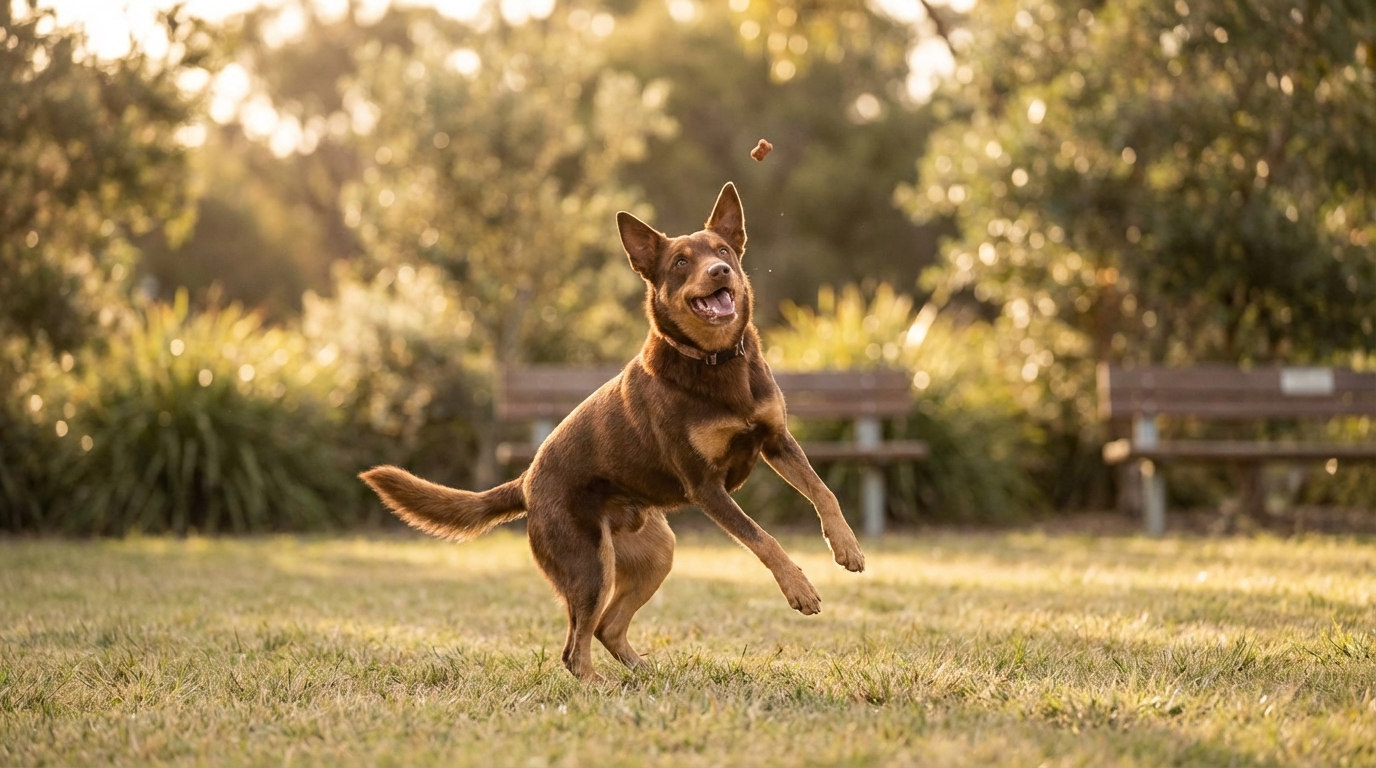
When it comes to dog training, not all treats are created equal. The best training treats share three qualities: they're small, soft, and irresistibly smelly. You want your dog to gulp the reward and refocus on you within seconds, not spend a minute crunching through a large biscuit.
Soft, bite-sized treats made with liver, cheese, or fish tend to rank highest in "value" for most dogs. During a training session, you might go through dozens of rewards, so keeping each piece roughly the size of a pea helps prevent overfeeding.
For puppies learning the basics or older dogs picking up new tricks, having a dedicated stash of high-value rewards is essential. Our curated selection of training treats is designed for exactly this purpose — small portions, strong aroma, and quality ingredients that won't derail your dog's diet.
Variety helps too. Rotating between two or three treat types during a session keeps motivation high, especially for breeds that lose interest quickly.
Ingredients and Treats to Avoid
Some common ingredients have no place in your dog's treat jar. Xylitol — an artificial sweetener found in some human foods — is toxic to dogs, even in tiny amounts. Always double-check labels if you're repurposing anything from your own pantry.
Excessive salt, onion powder, garlic powder, and rendered fat are also red flags. These can cause anything from gastrointestinal distress to more serious health issues over time.
Be cautious with rawhide chews. While popular, they can pose choking hazards and are difficult for many dogs to digest. Natural alternatives like dehydrated sweet potato, bully sticks, or air-dried meat strips tend to be safer and just as satisfying.
Cooked bones — particularly cooked chicken or lamb bones — should never be given as treats. They splinter easily and can cause internal injuries. Raw, meaty bones can be appropriate for some dogs, but supervision is always necessary.
How Many Treats Per Day?
The widely accepted guideline is that treats should make up no more than 10% of your dog's daily caloric intake. For a medium-sized dog eating around 4,000 kilojoules per day, that leaves roughly 400 kilojoules for treats — the equivalent of a small handful of quality training rewards.
During intensive training periods, reduce meal portions slightly to compensate for the extra treat intake. This keeps your dog's total energy balance in check without sacrificing the reward-based learning that makes training effective.
Weigh your dog regularly, especially during seasonal changes. Australian winters can mean less outdoor activity, and it's easy for treat calories to creep up when park visits become shorter and less frequent.
If you're using treats for enrichment — stuffing a Kong or scattering them for a sniff-and-search game — factor those into the daily total as well. It all counts.
Frequently Asked Questions
Can puppies eat the same treats as adult dogs?
Puppies can eat many of the same treats, but look for options specifically formulated for younger dogs. These tend to be softer, smaller, and easier on developing teeth and digestive systems. Avoid very hard chews until your puppy's adult teeth have fully come in.
Are single-ingredient treats better than multi-ingredient options?
Single-ingredient treats — like freeze-dried liver or dehydrated fish — are excellent because you know exactly what your dog is eating. They're particularly useful for dogs with allergies or sensitivities, as there are no hidden additives to trigger a reaction.
How should I store dog treats to keep them fresh?
Store treats in a cool, dry place away from direct sunlight. In Australia's humid northern regions, resealable containers or airtight jars help prevent moisture from causing mould. Soft and semi-moist treats often benefit from refrigeration once opened, so check the packaging for specific storage advice.
Choosing healthy, well-suited treats is one of the simplest ways to support your dog's happiness and health every day. Explore our full collection of dog treats and food to find the perfect match for your furry mate — and if your dog has specific dietary concerns, have a chat with your vet for tailored guidance.