


Dental chews for dogs can be a simple way to help manage plaque and freshen breath between brushes — but only if you choose the right style for your dog. This buyer’s guide breaks down what makes the best dental chews effective, safe, and worth adding to your routine. If you’ve been trialling dental sticks or oral care chews with mixed results, start here.
What “actually works” means for dental chews
The main job of a dental chew is mechanical cleaning: it should gently scrape along the tooth surface as your dog gnaws, helping reduce soft plaque before it hardens into tartar. The best results usually come from chews with texture, ridges, or a shape that encourages longer chewing — not a treat that disappears in seconds.
It also matters where your dog chews. A good chew prompts back-of-mouth gnawing, because molars often collect the most build-up. If your dog mainly nibbles with the front teeth, you may need a different shape, size, or firmness.
One important reality check: chews are usually best at managing newer plaque and surface debris. They may have limited impact on established tartar (the hard, yellow-brown build-up), especially if it’s already sitting along the gumline. If you’re seeing thick deposits, bleeding gums, or your dog’s breath is persistently unpleasant despite regular chews, that’s a cue for a veterinary dental check rather than simply swapping products.
Finally, “works” should include practicality: a chew your dog enjoys and you’ll actually give consistently. Even the best dental sticks won’t help much if they’re used occasionally.
VOHC-accepted chews: what it means (and why it matters)
If you want a shortcut to evidence-based options, look for dental chews that are VOHC-accepted. VOHC stands for the Veterinary Oral Health Council, an independent organisation that reviews submitted data and awards a Seal to products shown to help control plaque and/or tartar when used as directed.
VOHC acceptance doesn’t mean a product replaces brushing or a professional clean, and it doesn’t guarantee the same result for every dog. It does, however, indicate the chew has been assessed against a recognised standard — which can be helpful when you’re comparing many similar-looking oral care chews.
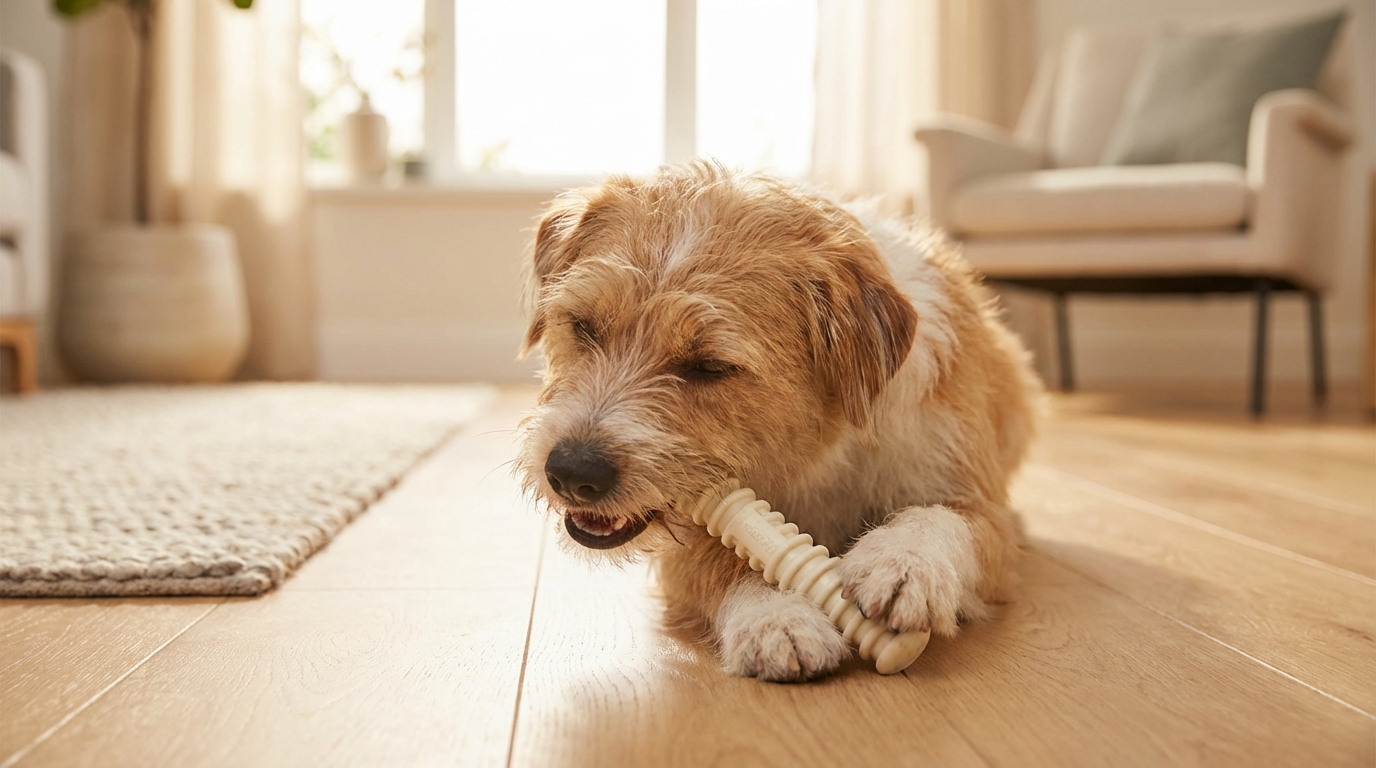
How to choose the best chew for your dog
Start with chewing style. Power chewers usually do better with longer-lasting options designed to be worked on gradually. Gentle chewers may prefer a slightly softer texture that still provides tooth contact and doesn’t crumble instantly.
Next, match the chew to your dog’s size and mouth. Too small can become a gulping hazard; too large can be ignored. As a rule, you want a chew that’s big enough your dog must hold and gnaw, not swallow whole.
- Puppies: Choose age-appropriate chews with a softer bite (especially while adult teeth are coming through).
- Small breeds: Look for compact shapes that still encourage chewing time, not just quick crunching.
- Large breeds: Prioritise bigger formats and durable textures to prevent “one-chomp” treats.
If your dog gets bored, rotate options. Mixing chews with other enrichment (like durable dog toys designed for gnawing) can keep the habit going without overdoing treats.
Quick comparison checklist (before you buy):
- Right size for your dog: Big enough to hold and gnaw; not small enough to swallow whole.
- Chew time: Aim for a chew that lasts long enough to create steady tooth contact (not a two-bite snack).
- Calories: Treat calories add up quickly; factor chews into the day’s food.
- Ingredients: Choose simpler recipes for sensitive stomachs; introduce new chews gradually.
- VOHC status (if available): Useful for narrowing down options with assessed plaque/tartar claims.
- Supervision plan: Always supervise and remove the last small piece.
Ingredients and design features that matter
When comparing dental chews for dogs, focus on two things: contact time (how long your dog chews) and surface action (how the chew interacts with teeth). Designs with grooves, nubs, or a twist can increase tooth contact and help reach along the gumline.
Ingredients vary widely. Some chews lean more “treat-like”, while others are formulated specifically for oral care. If your dog has a sensitive tummy, choose simpler formulas and introduce new chews gradually.
- Textured shapes: Ridges and channels can help scrub as your dog chews.
- Controlled crumble: You want a chew that softens with saliva and wears down slowly, not one that shatters.
- Breath support: Some options include breath-freshening components, but the cleaning action is still the main event.
Quick tip: Time your dog for the first few sessions. If the chew is gone in under a minute, it’s unlikely to provide much tooth-cleaning benefit — try a different size, texture, or shape.
Remember that “best” is individual. The best oral care chews for one dog might be too soft, too hard, or simply not motivating for another.
Safety: hardness, supervision, and sensitive mouths
Any chew can be a choking risk if it’s the wrong size or if your dog tries to swallow the last chunk. Supervise chewing, especially when trialling a new format. Take the chew away when it becomes small enough to fit entirely in your dog’s mouth.
Choose firmness thoughtfully. Extremely hard chews can risk tooth damage in some dogs, while very soft chews may offer minimal cleaning. A simple rule of thumb: avoid chews you can’t indent with a fingernail, or that feel painful to tap against your kneecap. These “too hard” options can increase the chance of cracked teeth, especially for enthusiastic chewers.
If your dog has worn teeth, a history of fractures, or has had dental work before, get personalised guidance from your vet on what chew textures are safest. When in doubt, prioritise a gentler chew that encourages steady gnawing over something rock-hard that invites chomping.
- Portion control: Many chews count as treats, so factor them into daily calories.
- Multi-dog homes: Give chews separately to avoid guarding or rushed swallowing.
- Heat and humidity: In warmer Australian conditions, store chews as directed so they keep the right texture (overly dry chews may become harder than intended).
For dogs that need to chew but inhale treats, pair shorter chews with longer-lasting enrichment from chew-focused dog toys to slow things down.
How to build a realistic dental routine
Think of chews as one piece of a bigger plan. Brushing is still the gold standard for daily plaque control, but many households find a chew routine helps bridge the gap between ideal and realistic — particularly during busy weeks or travel.
A simple approach: aim for consistency rather than perfection. Offer a dental chew at the same time each day (after breakfast or evening walk), and check your dog’s mouth weekly for tartar build-up, gum redness, or persistent bad breath.
- Daily: Brush if you can; if not, use a quality chew and a quick visual check.
- Weekly: Look at back teeth and gumline; note any changes.
- Monthly: Reassess whether the chew is lasting long enough and suiting your dog’s chewing style.
If you’re comparing options, don’t judge after one go. Give a new chew a week (unless it upsets your dog’s tummy or creates unsafe gulping) and track chewing time and breath changes.
When to book a vet check: If your dog has ongoing bad breath, visible tartar, sore-looking gums, drooling, pawing at the mouth, or avoids chewing on one side, don’t rely on switching dental sticks. These signs can indicate dental disease or pain that needs professional assessment.
Frequently Asked Questions
How often should I give my dog a dental chew?
Many dogs do best with a consistent routine, such as a chew most days of the week, depending on treat calories and tolerance. Always follow the product’s feeding guide and adjust meals if needed to prevent weight gain.
Do dental chews replace brushing?
They can help reduce plaque through chewing action, but they don’t clean every tooth surface the way brushing can. For the strongest routine, use chews as support alongside brushing and regular oral checks.
Can chews remove tartar that’s already there?
Chews are generally better at helping with softer plaque and day-to-day build-up. Once tartar has hardened, it often needs a veterinary dental clean to remove safely. If you’re noticing heavy build-up or gum redness, book a dental check rather than relying on chews alone.
What if my dog swallows chews too quickly?
Try a larger size, a different shape that encourages gnawing, or a texture that lasts longer (while still being safe for your dog’s teeth). Supervise and remove small end pieces to reduce choking risk.
Ready to find a chew that suits your dog’s size and chewing style? Browse our chew-friendly dog toys for enrichment that supports healthier chewing habits — and if you’re unsure what’s safest for your dog’s mouth, chat to your vet.