


Senior cat health changes can be subtle—until they’re not. A few simple at-home checks, done regularly, help you spot early shifts in comfort, appetite and mobility so you can act fast. Here’s a practical guide to old cat care health monitoring that fits into everyday life.
Start with a simple baseline (and stick to it)
Ageing cat health checks work best when you know what “normal” looks like for your cat. Pick a day each week (Sunday works well) and do a 2–3 minute once-over in good light, then jot notes in your phone. Patterns are more useful than one-off observations.
Focus on a few basics: appetite, water intake, weight trend, coat condition and litter box output. In summer—especially in warmer parts of Australia—cats may drink more and nap longer, so compare changes to the season as well as your cat’s usual routine.
- Choose a consistent time: before breakfast tends to be easiest.
- Use a simple scale: “same / a bit different / very different” is enough.
- Take photos: body shape, coat and eyes can be easier to compare over time.
Body condition, weight and muscle: the early warning trio
One of the biggest senior cat health signals is a change in body condition. Many older cats lose muscle before they lose weight, so don’t rely on the numbers alone. Run your hands along the ribs, spine and hips—your fingers will pick up changes that eyes miss.
Look for these signs:
- Weight loss or gain: unexplained shifts can indicate an underlying issue.
- Muscle loss: a bony spine or “sunken” hips even if the belly looks round.
- Pot belly: can appear with reduced muscle tone or other concerns.
Support old cat care at home by making meals easier to access (no jumping), and prioritising high-quality nutrition that suits mature cats. If you’re updating your feeding setup, explore elevated bowls and easy-clean options in our cat feeding range.
Quick tip: Weigh your cat monthly using the “human scale” method—first weigh yourself, then weigh yourself holding your cat, and subtract. Track the trend rather than obsessing over a single reading.
Mouth, eyes, ears and nose: quick checks that matter
A fast head check can reveal a lot about comfort and quality of life. For senior cat health, pay special attention to the mouth—dental discomfort often shows up as fussiness with food, slower eating or chewing on one side.
- Mouth: lift the lip and look for redness along the gum line, heavy tartar, drooling or bad breath that’s new.
- Eyes: check for cloudiness, squinting, discharge or one eye looking different to the other.
- Ears: a little wax can be normal; strong smell, lots of dark debris or head shaking isn’t.
- Nose: mild clear moisture can be normal; thick discharge or noisy breathing is worth noting.
Keep grooming and inspection stress-free with soft brushes and gentle wipes suited to older cats. For tools and coat-care basics, browse our cat grooming collection.
Litter box clues: urine, poo and hydration
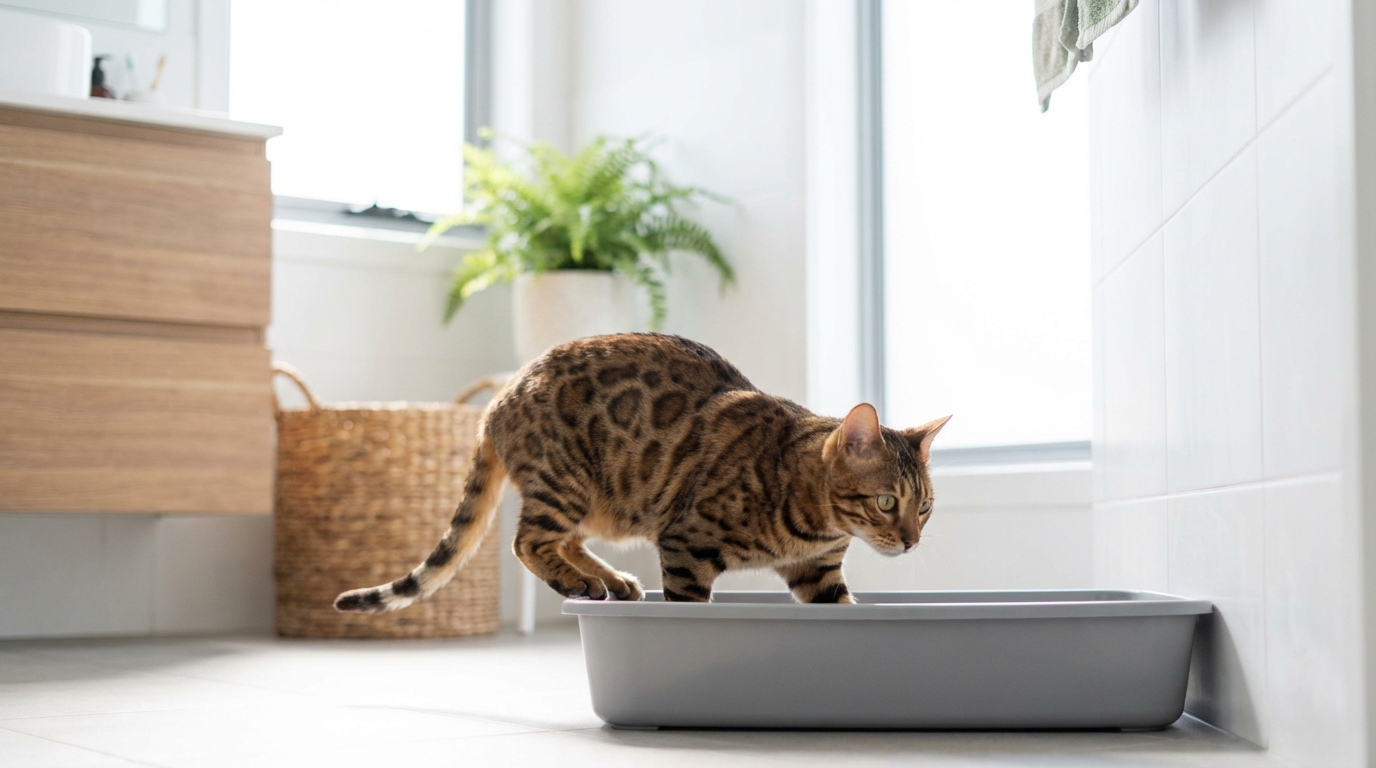
The litter box is one of the most useful windows into ageing cat health checks. Changes in volume, frequency, odour or accidents can happen gradually, so it helps to be observant. If you have multiple cats, consider occasional supervised single-cat bathroom trips to confirm who’s doing what.
- Urine: bigger clumps, more frequent trips, straining or going outside the tray are all noteworthy.
- Poo: persistent constipation, very soft stools or obvious discomfort during toileting should be tracked.
- Hydration: increased thirst, sticky gums or very concentrated urine clumps can signal a change.
Practical old cat care tweaks can make toileting easier: use a tray with a lower entry, place extra trays in quiet spots, and keep them well away from noisy appliances. In humid coastal areas, scooping daily also helps reduce odour and keeps the tray inviting.
Movement, grooming and behaviour: comfort and cognition
Mobility shifts are common in senior cat health, but cats are masters at hiding discomfort. Watch how your cat moves when they think no one is looking—getting on the sofa, stepping into the tray, or turning to groom the back end.
- Jumping and stairs: hesitation, “testing” a jump, or choosing lower routes can indicate stiffness.
- Grooming: a greasy coat, dandruff or mats (especially along the back) can mean they’re struggling to reach.
- Claws and paws: overgrown claws can catch on carpet; check monthly and trim carefully if needed.
- Behaviour: yowling at night, confusion, increased hiding or irritability can all be changes worth noting.
To support comfort, create “easy paths” around the home: a step stool to favourite spots, non-slip mats on tiles, and a warm bed away from drafts in winter. Routine play still matters—short, gentle sessions can help maintain muscle and confidence without overdoing it.
Frequently Asked Questions
How often should I do at-home checks for an older cat?
A quick weekly check is a good rhythm, with a monthly weight trend. The goal is consistency—small changes over time are easier to spot when you’re checking regularly.
What’s the most common sign something is “off” in senior cats?
Subtle behaviour changes are often the first clue: eating more slowly, sleeping in different places, missing jumps or grooming less. If you also notice litter box changes, treat it as a priority to investigate.
Should I switch food just because my cat is getting older?
Not automatically—some cats do best with a gradual adjustment, while others stay stable on their current diet. If you’re considering a change, focus on digestibility, palatability and maintaining lean muscle rather than making sudden swaps.
For practical old cat care essentials—from grooming tools to easier feeding setups—shop our cat supplies to keep your home senior-friendly. If you’re seeing rapid changes or your cat seems uncomfortable, chat to your vet.