


Few things are harder than hearing your new puppy crying when left alone. Separation anxiety in puppies is one of the most common behavioural challenges Australian pet owners face — and the good news is that with patience and the right approach, it's very manageable. Below, we cover practical puppy anxiety tips you can start using today to build your pup's confidence and independence.
What Separation Anxiety Looks Like in Puppies
Puppy separation anxiety isn't just a bit of whimpering at the door. It's a genuine stress response that can show up in several ways, some of which you might not immediately connect to anxiety.
Common signs include:
- Excessive barking, howling, or crying when you leave
- Destructive chewing — especially around doors, window frames, and crates
- Toileting accidents despite being house-trained
- Pacing, drooling, or panting more than usual
- Refusing to eat when alone
If your puppy only shows these behaviours when you're away (or about to leave), anxiety is the likely cause rather than boredom or a lack of training.
Why Puppies Struggle When Left Alone
Puppies are hardwired to stay close to their family group. In their first weeks of life, being alone literally meant danger — so it makes sense that a young dog's instinct is to protest when separated from you.
Certain factors can make the problem worse. Puppies adopted during the cooler winter months in Australia may have fewer opportunities for outdoor socialisation, which can slow confidence-building. Rehomed pups, those from shelters, and breeds with strong bonding tendencies (think Cavalier King Charles Spaniels, Border Collies, and Labrador Retrievers) can be especially prone.
Understanding the why helps you approach training with empathy rather than frustration. Your puppy isn't being naughty — they're genuinely distressed.
Training Strategies to Build Independence
The most effective way to stop a puppy crying when alone is to teach them, gradually, that your absence is safe and temporary. Rushing this process almost always backfires.
Start with micro-absences. Step out of the room for just five seconds, then return calmly. Slowly increase the duration over days and weeks. The goal is to keep your puppy below their panic threshold so they learn that you always come back.
Practice calm departures and arrivals. Dramatic goodbyes and excited hellos actually reinforce anxiety. Keep your comings and goings low-key. Pick up your keys and put on your shoes without leaving — this helps desensitise your pup to departure cues.
Reward calm, independent behaviour. When your puppy settles on their bed while you're in another room, quietly praise them or offer a small treat. Over time, they'll associate being alone with positive outcomes.
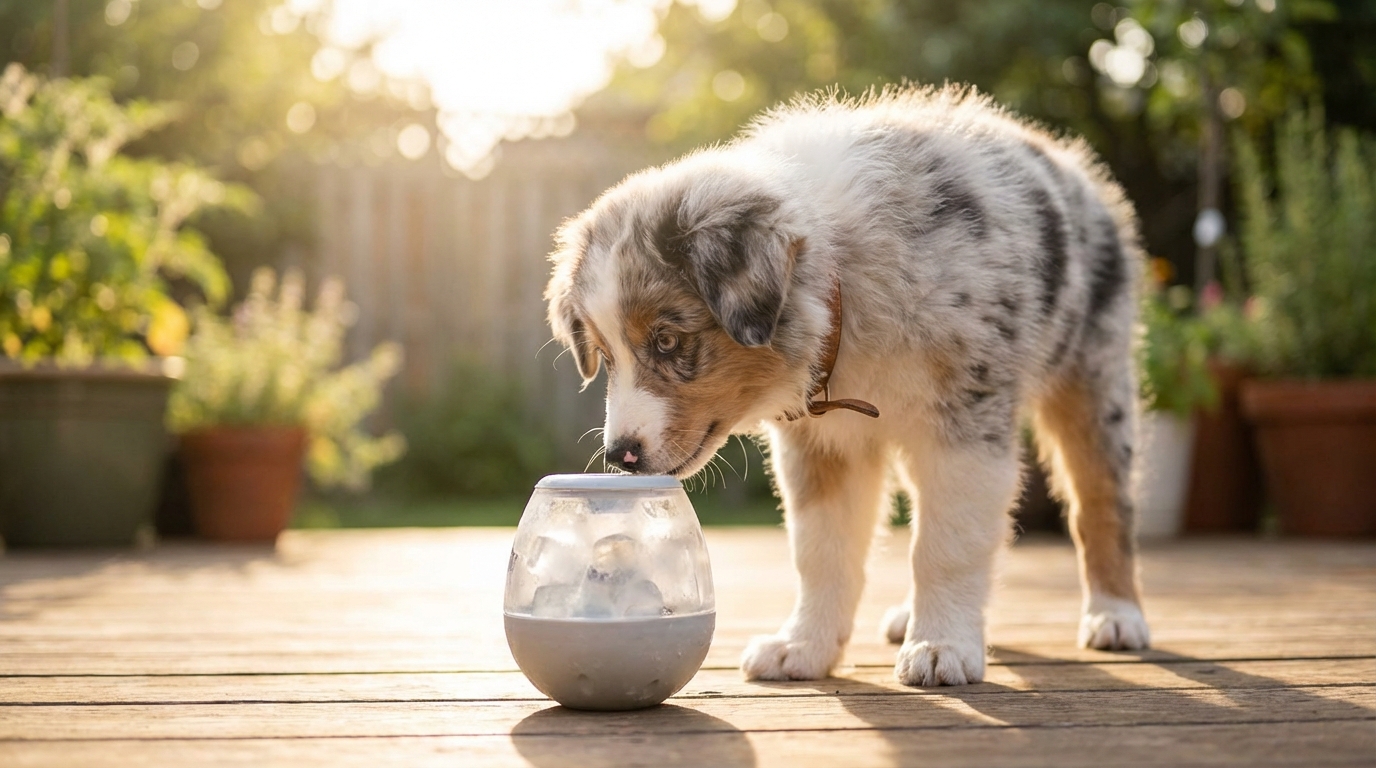
Quick tip: Use a frozen treat-stuffed toy or lick mat right before you leave. Licking is naturally calming for dogs, and it creates a positive association with your departure. Check our range of puppy supplies for enrichment toys suited to young mouths.
Build a predictable routine. Puppies thrive on consistency. Feed, walk, and train at roughly the same times each day. When your pup knows what to expect, uncertainty — and the anxiety that comes with it — decreases.
Calming Tools and Environment Setup
Training is the foundation, but the right environment and tools can make a real difference alongside your behavioural work.
Create a safe space. A cosy crate (introduced gradually and positively), a puppy pen, or a small room with their bed and toys gives your puppy a den-like area where they feel secure. Place an item with your scent — an old T-shirt works well — inside for comfort.
Try calming aids. Products like calming sprays, diffusers, and supplements can help take the edge off your puppy's stress while you work on training. Browse our full range of dog anxiety and stress relief products to find options that suit your pup's needs.
Consider background noise. Leaving the radio on low or playing calm music can mask sudden outdoor sounds — especially useful in Australian suburban areas where delivery trucks, lawnmowers, and noisy magpies can trigger barking.
Exercise before you leave. A well-exercised puppy is far more likely to settle. A morning walk or a play session in the backyard before departure helps burn off nervous energy. In warmer months, schedule this early to avoid the heat.
Common Mistakes to Avoid
Even well-meaning owners can accidentally make puppy separation anxiety worse. Here are the most common pitfalls:
- Punishing anxious behaviour. Scolding your puppy for chewing or toileting while you were out only increases fear. They won't connect the punishment with the earlier behaviour — they'll just become more stressed around your departures and returns.
- Going too fast. Leaving a newly adopted puppy alone for a full workday on day one is a recipe for a setback. Build duration slowly, even if it means arranging a dog sitter or working from home initially.
- Relying solely on products. Calming aids are brilliant support tools, but they work best alongside consistent training. Think of them as part of a broader plan, not a standalone fix.
- Ignoring the problem. Some owners assume their puppy will simply "grow out of it." While mild fussiness can resolve naturally, true anxiety tends to worsen without intervention.
Frequently Asked Questions
At what age does separation anxiety usually appear in puppies?
It can show up as early as eight weeks — right when most puppies arrive in their new homes. It's also common during adolescence (around six to twelve months) when pups go through developmental fear periods. Early, gentle training is the best prevention.
How long does it take to reduce a puppy's anxiety about being alone?
Every puppy is different. Some show real improvement within a couple of weeks of consistent practice, while others may need several months. The key is gradual, steady progress rather than rushing to hit a specific timeline.
Can a second dog help with my puppy's separation anxiety?
Not necessarily. If your puppy's anxiety is specifically about being separated from you, another dog won't address that bond. In some cases, you can also end up with two anxious dogs. Focus on independence training first.
Helping a puppy overcome separation anxiety takes time, consistency, and a good dose of patience — but it's absolutely achievable. Stock up on calming products and enrichment tools to support your training efforts, and if your puppy's anxiety is severe or isn't improving, have a chat with your vet for tailored guidance.