

If you share your home with a dog, you share it with dog hair — on couches, car seats, and somehow in your morning coffee. Learning to manage dog shedding effectively can save you hours of cleaning and, more importantly, keep your pet's coat in top condition. Whether you have a double-coated Border Collie or a short-haired Staffy, these practical tips will help you reduce dog hair loss and restore some order to your household.
Why Dogs Shed (And When It Gets Worse)
Shedding is a completely natural process. Dogs lose old or damaged fur to make room for new growth, and the amount they shed depends on breed, health, and the time of year.
In Australia, seasonal shedding tends to peak in spring (September–November) as dogs drop their heavier winter undercoat to prepare for warmer weather. You may notice a second, lighter wave in autumn as the coat thickens again. Breeds such as Australian Shepherds, German Shepherds, Huskies, and Golden Retrievers are well-known heavy shedders, while Poodles, Maltese, and their crossbreeds shed far less.
Excessive or sudden hair loss, however, can signal an underlying issue — from allergies and skin irritation to poor nutrition or stress. If the shedding seems abnormal, it's worth investigating further rather than simply accepting it as normal.
Build a Regular Brushing Routine
Consistent brushing is the single most effective way to manage shedding at home. It removes loose fur before it ends up on your furniture and distributes your dog's natural skin oils, promoting a healthier, shinier coat.
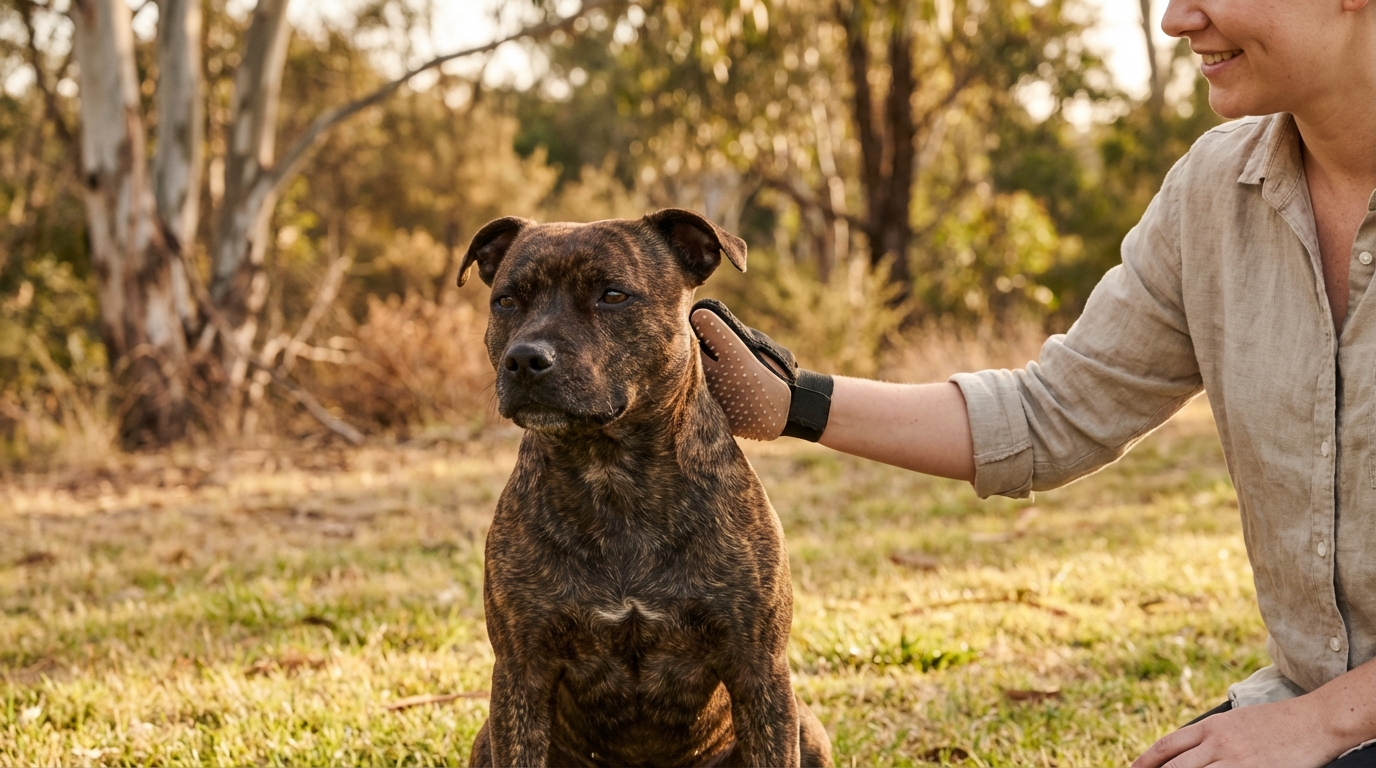
How often you brush depends on coat type. Double-coated breeds benefit from daily brushing during peak shedding season and two to three times a week otherwise. Short-coated dogs like Boxers or Whippets may only need a weekly once-over with a rubber grooming mitt or bristle brush.
Match the tool to the job. Slicker brushes work well for medium to long coats, undercoat rakes handle thick double coats, and deshedding tools are excellent for removing loose undercoat without damaging the topcoat. You can browse our full range of dog brushes, clippers, and grooming tools to find the right fit for your breed.
Quick tip: Brush your dog outdoors whenever possible — especially during heavy shedding season. You'll save yourself a mountain of indoor clean-up, and your garden birds may even collect the loose fur for their nests.
Bathing and the Right Grooming Products
Regular baths help loosen and remove dead fur, but over-bathing can strip natural oils and actually worsen shedding by drying out the skin. For most dogs, a bath every four to six weeks strikes the right balance — though active dogs who love a good roll in the mud at the local park may need more frequent washes.
Choosing the right shampoo matters. Look for gentle, soap-free formulas designed for dogs, ideally with moisturising ingredients like oatmeal, aloe vera, or coconut oil. These help soothe the skin, reduce flakiness, and keep the coat soft. Avoid human shampoos — they have the wrong pH for canine skin and can cause irritation that leads to increased shedding.
A conditioning rinse or leave-in spray after bathing can further reduce loose hair by keeping the coat hydrated and less prone to breakage. Our shampoo and grooming collection includes a variety of nourishing options suited to different coat types.
Nutrition That Supports a Healthy Coat
What your dog eats has a direct impact on how much they shed. A diet lacking in essential fatty acids, protein, or key vitamins often shows up as a dull, brittle coat that sheds excessively. Think of nutrition as the foundation — no amount of brushing will compensate for a poor diet.
Omega-3 and omega-6 fatty acids are particularly important for skin and coat health. They help reduce inflammation, support the skin barrier, and promote stronger, glossier fur. Many premium dog foods include these, but a dedicated supplement can make a noticeable difference — especially for dogs with dry or itchy skin.
Explore our skin and coat health supplements to find fish oil capsules, omega blends, and nutritional support products that help reduce excessive hair loss from the inside out. Ensuring your dog stays well-hydrated is equally important, particularly during hot Australian summers when dehydration can affect skin condition.
High-quality protein sources — such as chicken, fish, lamb, or kangaroo — provide the amino acids that form the building blocks of healthy fur. If your dog's coat looks lacklustre despite regular grooming, a nutritional upgrade is often the first place to look.
Keeping Dog Hair Under Control at Home
Even with the best grooming routine, some fur will inevitably find its way onto your belongings. A few practical habits can make a big difference in keeping your home presentable.
- Lint rollers and furniture covers: Keep lint rollers in the car, by the front door, and near your couch. Washable furniture covers or throws are a lifesaver — toss them in the wash weekly.
- Vacuum regularly: A vacuum with a pet-hair attachment is worth its weight in gold. Aim for every two to three days during peak shedding season.
- Designate dog-free zones: If allergies are a concern for family members, keeping bedrooms pet-free can help reduce airborne hair and dander.
- Wash bedding often: Your dog's bed collects an enormous amount of loose fur. Washing it fortnightly — or weekly during heavy shedding — keeps things fresh.
Consistency is key. Small daily efforts are far more effective than a massive weekend clean-up.
Frequently Asked Questions
Is it normal for my dog to shed all year round?
Yes, many dogs shed lightly throughout the year, with heavier periods in spring and autumn. Indoor dogs exposed to artificial lighting and climate control can shed more consistently because their bodies receive less distinct seasonal signals. If the shedding seems excessive or patchy, it's worth looking into diet, skin health, or environmental factors.
Can I shave my double-coated dog to reduce shedding?
It's generally not recommended. A double coat actually insulates your dog from both heat and cold, and shaving can damage the undercoat permanently, leading to irregular regrowth and reduced protection. Regular deshedding with the right tools is a far safer and more effective approach.
How quickly will dietary changes improve my dog's coat?
Most owners notice improvements within four to six weeks of upgrading their dog's diet or adding an omega fatty acid supplement. Coat turnover takes time, so be patient and consistent. If you see no improvement after two months, have a chat with your vet to rule out any underlying health concerns.
Ready to tackle shedding season with confidence? Browse our skin and coat health range and find everything you need to keep your dog's coat healthy, shiny, and under control.