


Trying to decide whether Teltonika is worth it for keeping tabs on your pet, or whether another style of tracker offers better bang for buck? This practical comparison focuses on what matters most for Australian pet owners: reliability, running costs, battery expectations, and day-to-day usability for dogs and cats.
How we assessed “value” at Pacific Pet Supplies: we looked at the questions customers ask most (charging frequency, water resistance, comfort on small pets), the support issues that commonly come up (SIM/data setup, app expectations, inconsistent updates in low-signal areas), and typical use cases (suburban roaming cats, beach-running dogs, and weekend trips where charging is inconvenient). We’ve summarised the comparison in practical ranges rather than best-case marketing numbers.
What “better value” means for pet tracking
Value isn’t just the upfront price tag. For most households, it’s the long-term mix of location confidence, battery performance, durability, and ongoing costs (connectivity, accessories, replacement cycles) over the life of the device.
In Australia, value also depends on where you live and how your pet behaves. A dog that bolts at the beach, a cat that roams suburban back fences, or a working dog out on a property all demand different trade-offs.
- Reliability: Does it keep a stable connection and provide consistent updates in your usual areas?
- Real-world battery life: Will it last a normal week, a long weekend away, or just a day or two between charges?
- Durability: Look for clear water/dust ratings (often listed as IP standards), not vague “water resistant” claims.
- Running costs: Does it need a subscription, a SIM, or both—and what will you realistically pay over 12–24 months?
- Comfort and fit: Size/weight and how it mounts to a collar or harness matters, especially for smaller dogs and cats.
Which Teltonika models we mean (and why it matters)
“Teltonika” can mean different things depending on the model and configuration. Teltonika is primarily a telematics hardware brand, which means the device build is the constant—while the app experience, mapping, alerts, and subscription/SIM setup can depend on the platform/provider you pair with the tracker.
When you browse the Teltonika tracking options, you’ll usually see a few compact models that are commonly adapted for pets. As a practical guide, three model “types” often compared by shoppers are:
- Ultra-compact trackers: built to be light and discreet; often a better physical fit for smaller pets, but battery may be more sensitive to frequent updates.
- Compact rugged trackers: a balance of size and resilience; often chosen for active dogs and rough play.
- Higher-capacity/battery-focused units: typically larger/heavier; can be better for longer time between charges if your pet can comfortably carry it.
Across these, the practical differences that change “value” fastest are:
- Connectivity approach: some setups use an included plan, while others require a separate SIM. In Australia, that can affect your total cost and coverage experience (especially in fringe and regional zones).
- Update behaviour: many devices let you choose more frequent updates (easier to locate a runner) versus fewer updates (better battery). Live tracking drains battery much faster than periodic check-ins.
- Durability rating: an IP rating gives clearer expectations for rain, mud, and splashes than general “water resistant” wording.
Where Teltonika tends to shine
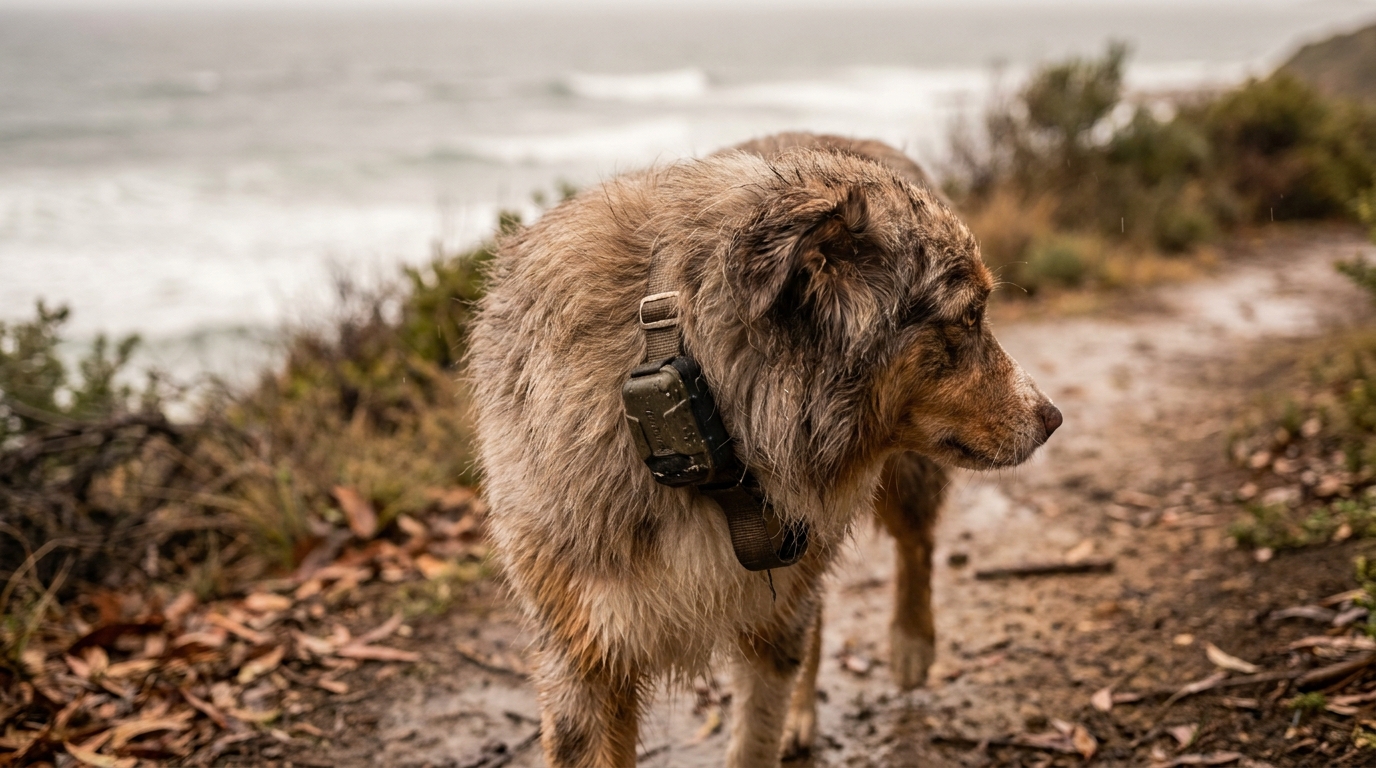
Teltonika is often chosen by buyers who prioritise hardware robustness and a “set and forget” feel once configured. The value usually shows up in the unglamorous moments: the tracker still working after wet winter walks, collar knocks at the dog park, and constant movement against a harness.
For Australian conditions—salty coastal air, muddy tracks, sudden summer storms—durability and seals matter. When a device has a clearly stated IP standard and a secure attachment method, it’s generally easier to trust day-to-day (especially for dogs that wrestle, roll, and swim).
If you’re comparing options, start by browsing the full range of Teltonika tracking options so you can match the device style to your pet and routine.
- Solid construction: useful if your dog plays rough or your cat is a serial fence-jumper.
- Configurable tracking behaviour: helpful if you want to balance battery and update frequency rather than accepting one default mode.
- Consistency as a value driver: if you’ll rely on it during escapes (not just casual check-ins), stable performance can matter more than extra app extras.
Teltonika models vs common tracker setups: concrete comparisons
Below is a practical, Australia-relevant comparison using typical ranges customers report and what we see most often in day-to-day use. This isn’t about naming competitor brands—just comparing Teltonika model types with common “alternative” tracker approaches sold locally.
Important disclosure: battery life and ongoing costs vary with update frequency, live tracking use, mobile coverage, temperature, and the platform/provider you use with the hardware. Treat these as planning ranges, not promises.
-
Battery life (by update style):
- Teltonika ultra-compact type: roughly 1–3 days with frequent updates (e.g., active monitoring), or 3–7 days with periodic check-ins.
- Teltonika compact rugged type: roughly 2–5 days with frequent updates, or 5–10 days with periodic check-ins.
- Teltonika higher-capacity type: roughly 4–10 days with frequent updates, or 7–14 days with periodic check-ins (often at the cost of a larger unit).
- Common consumer pet trackers (subscription-led, app-first): often 1–4 days with frequent updates, or 3–10 days with periodic check-ins, depending heavily on “live” usage and signal conditions.
-
Durability (example IP ratings you’ll commonly see):
- Teltonika model types: often listed around IP65–IP67 depending on the unit and enclosure.
- Alternatives: commonly range from no clear IP rating (marketing terms only) through to around IP66–IP67 on more outdoor-focused units.
If your pet swims or you’re dealing with heavy rain (think East Coast summer storms or long wet weeks in Melbourne), an explicit IP rating is worth prioritising.
-
Weight and size (what it feels like on a collar):
- Teltonika ultra-compact type: often around 20–40 g (better suited to smaller dogs and many cats, depending on collar fit).
- Teltonika compact rugged type: often around 35–60 g (a common choice for medium dogs).
- Teltonika higher-capacity type: often around 50–90 g (more comfortable for medium-to-large dogs).
- Common consumer pet trackers: often around 25–50 g, with comfort depending as much on the mount as the weight.
-
Indicative ongoing costs in Australia (connectivity):
- Teltonika setups using your own SIM: often roughly $5–$20/month depending on provider and inclusions, plus any platform/provider fee if applicable.
- Subscription-led alternatives: commonly around $8–$25/month depending on billing cycle and inclusions.
In real-world budgeting, the “best value” option is usually the one where the ongoing cost matches how often you truly need tracking—especially if you only want high-frequency updates during specific outings.
Quick tip: Before you buy, write down your non-negotiables (e.g., “must survive heavy rain,” “must last a full weekend away,” “must fit a slim collar”). Use that list to compare like-for-like and avoid paying extra for features you won’t use.
Also consider your local environment. In dense suburbs, positioning can behave differently than in open areas. In regional Australia, mobile coverage gaps can affect how quickly a tracker updates or whether it can report at all. The most valuable feature is often the one that reduces time-to-find, not the longest spec sheet.
Limitations to factor in (any brand, any model)
It’s worth being clear about trade-offs so you’re not disappointed after purchase. Pet tracking is influenced by factors outside the device itself:
- Coverage dependency: many trackers rely on mobile networks. Performance can vary by suburb, terrain, and whether your pet ducks under dense cover or structures.
- Platform/app differences: because Teltonika is primarily the hardware, the user experience (maps, notifications, history views) can vary with the platform/provider you choose. If a smooth app is a priority, check what you’ll actually be using day-to-day before committing.
- Device size and weight: smaller pets may need a lighter unit to avoid collar strain or rubbing—especially short-coated breeds and cats.
- Charging routine reality: real-world battery depends on update rate, signal strength, and how often you use live tracking. Choose a device you’ll actually remember to charge.
- Data costs over time: even when the device is affordable upfront, ongoing plan or SIM costs can change the overall value picture across a year.
Because conditions vary so much across Australia, avoid assuming any one tracker is “best” everywhere. The right choice depends on your network conditions, your pet’s behaviour, and the specific settings you’ll use.
Bottom line: a simple shortlist framework
Better value isn’t “most features for the least money”. It’s paying for what you’ll actually use, and avoiding costs you didn’t plan for—whether that’s daily charging, replacing a damaged unit, or paying for connectivity that doesn’t match your routine.
- If you have an escape-prone dog (beach, bush walks, or high prey drive): prioritise durability (IP rating), secure mounting, and reliable live tracking behaviour over extra app extras.
- If you have a roaming cat in the suburbs: prioritise comfort/size, consistent updates around homes and fences, and manageable running costs (plan or SIM).
- If you travel or camp on weekends: prioritise battery that fits a long weekend and coverage suitability for where you go (regional conditions can change performance).
If you’re ready to compare options within one ecosystem, start with the current Teltonika range at Pacific Pet Supplies and shortlist based on your pet’s size, activity level, and your typical coverage area.
Frequently Asked Questions
Is Teltonika good value for Australian pet owners?
It can be—particularly if you value sturdier hardware, clear durability expectations, and configurable tracking behaviour. Value is strongest when the device size suits your pet and the ongoing connectivity approach (SIM and/or platform costs) fits your budget and comfort level.
What should I compare first when choosing between Teltonika and an alternative?
Start with (1) ongoing costs (subscription/SIM and any platform fee), (2) typical battery life based on how often you’ll use live tracking, and (3) durability (look for an IP rating if water exposure is likely). Then confirm it sits securely and comfortably on your pet’s collar or harness.
Will a tracker work the same everywhere in Australia?
No. Performance can vary depending on mobile coverage, terrain, and built-up areas. Regional and fringe-suburb conditions can be patchier, and dense cover can affect GPS performance. If you’re unsure what’s suitable for your pet’s situation, chat to your vet at your next visit for general safety guidance.
Want a reliable option you can stick with? Explore Teltonika at Pacific Pet Supplies and choose the model type that best matches your pet’s lifestyle.